Over-washing strips nutrients and hurts texture; rinse three times and soak for 30 minutes
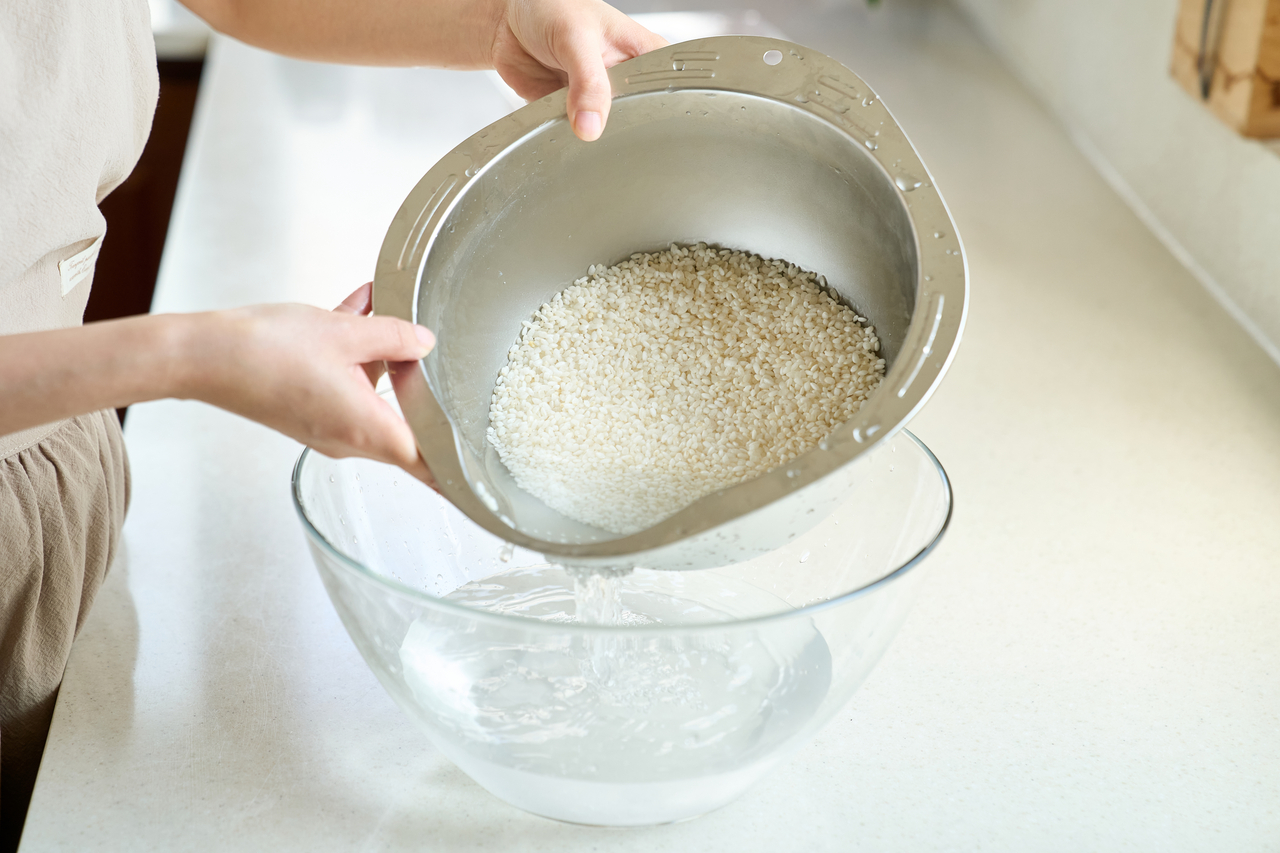
Cooking glossy, perfectly textured rice depends as much on how you wash and soak the grains as on the quality of the rice itself. The simple formula: rinse lightly three times, then soak for 30 minutes.
One habit to drop is rinsing until the water runs clear. The instinct is to get the rice as clean as possible, but modern milling technology has made that level of washing unnecessary.
In the past, bran residue clung heavily to the surface of each grain, making repeated rinsing standard practice. Today's milling processes remove that residue far more efficiently, so vigorous scrubbing is no longer needed.
According to the Rural Development Administration, rinsing white rice about three times is sufficient. Washing more than that causes some nutrients to leach out — water-soluble B vitamins dissolve easily and are lost with each additional rinse. Surface starch also washes away beyond what is needed, which can affect the texture of the cooked rice.
A 2019 study published in the journal Food Chemistry found that the more times rice was rinsed, the greater the loss of vitamins B and minerals. The researchers said caution was needed over the loss of vitamins and minerals from excessive washing.
Scrubbing the grains hard is also counterproductive. Too much force breaks the grains, which can make the finished rice less pleasant to eat.
Many people cook rice immediately after rinsing, but soaking first makes a noticeable difference. About 30 minutes is enough. Soaking allows moisture to penetrate evenly to the center of each grain, so heat distributes uniformly during cooking and the result is stickier, glossier rice. Older rice with lower moisture content should soak for at least 30 to 40 minutes to prevent a dry, crumbly texture.
Because the grains expand during a 30-minute soak, the amount of water added should be measured against the soaked rice, not the dry rice.
Brown rice requires more water than white rice because of its bran layer — a ratio of around 1 to 1.5 works well. Glutinous rice, being naturally stickier, calls for less water, so a 1-to-1 ratio is appropriate.
Freshness matters as much as variety when it comes to flavor. Before buying, check not only the variety, production year and rating printed on the packaging, but also the milling date. Choose rice that was milled as recently as possible.
The bran layer surrounding each grain contains oils that oxidize over time, altering the smell and taste of the cooked rice. For the best flavor, consume rice within 15 days of milling in summer and within 30 days in winter.
gorgeous@heraldcorp.com