Sedentary habits, poor sleep and skipped breakfasts can all hurt cholesterol levels — soluble fiber may help
If you spend most of the day sitting, regularly miss out on sleep and often skip breakfast, your cholesterol levels are likely suffering. Paying closer attention to dietary fiber intake — particularly viscous, soluble fiber at breakfast — can help.
A study published in Endocrinology and Metabolism in 2022, based on research from the National Academy of Medical Sciences of Ukraine, found that people who sit for eight or more hours a day have lower "good" HDL cholesterol and higher blood sugar than those who sit less — even when they exercise regularly with strength training. The researchers concluded that prolonged sitting partially offsets the metabolic benefits of exercise.
Sleep deprivation can also play a role. Researchers at Columbia University published findings in the journal Sleep in 2010 showing that short sleep duration can raise "bad" LDL cholesterol levels.
Regularly skipping breakfast has also been linked to unstable cholesterol levels, according to a body of research on the subject. The effects appear most pronounced in people who are obese or physically inactive. Elevated LDL cholesterol is associated with a greater risk of cardiovascular disease and other conditions.
For a cholesterol-conscious breakfast, viscous dietary fiber is considered particularly effective.
Not all soluble fiber is created equal — some types produce little or no viscosity when they dissolve in water. According to medical experts, highly viscous soluble fiber interferes with the absorption of cholesterol and saturated fat in the body. It blocks the reabsorption of bile acids and cholesterol in the intestines, pushing them out through stool. As bile acid levels drop, the liver draws more LDL cholesterol from the bloodstream to compensate, ultimately lowering LDL levels.
The two most notable sources of highly viscous soluble fiber are beta-glucan, found in oats, barley and mushrooms, and pectin, concentrated in apples and citrus fruits.
For those who prefer a hansik breakfast, a combination of barley rice, mushroom doenjang soup, kimchi and an apple delivers all of these components. The meal pairs barley-blended rice with mushroom doenjang soup and kimchi, finishing with an apple for dessert.
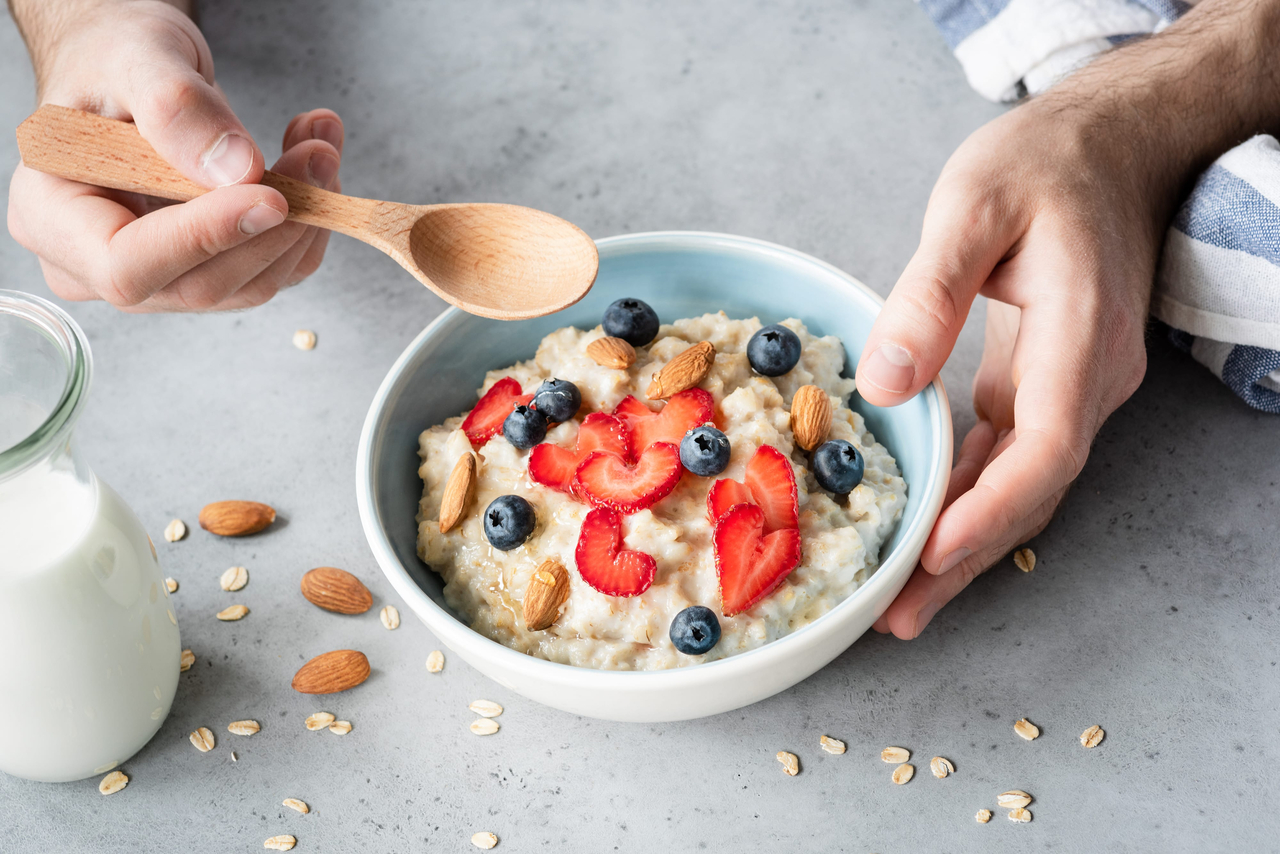
For a simpler morning option, oatmeal is a convenient choice. Commercially available oatmeal products make preparation quick and easy, and a variety of toppings can keep the meal from feeling repetitive.
Recommended toppings include almonds, apple slices and mixed berries. Greek yogurt can serve as an alternative base to oatmeal. Whole-grain bread topped with apple and avocado is another option that pairs well.
In general, a total cholesterol level below 200 mg/dL is considered normal. Readings between 200 and 239 mg/dL fall into the Alert range, while 240 mg/dL and above is classified as abnormal, or high.
gorgeous@heraldcorp.com