Amid dietary fiber's rise as a global nutrition trend in 2026, a new approach is gaining traction — one that emphasizes combining multiple types of fiber rather than simply consuming more. The shift is from "fibermaxxing," the practice of consciously maximizing daily fiber intake, to "fibermixing."
Fibermixing goes beyond eating large amounts of fiber. Instead of meeting a daily intake target through a single food source, it involves combining different types of fiber to increase nutritional density.
Global market research firms say consumer attention is moving from the quantity of fiber consumed to its quality. Mintel, in its 2026 food and beverage outlook, said the "maxxing" trend of maximizing fiber intake would give way to diets encompassing a wider range of ingredients and functions.
The various benefits of dietary fiber cannot come from a single food. While fiber might seem like a single nutrient, it actually encompasses many different types — and each type works differently in the body.
Fiber is broadly divided into soluble and insoluble forms, but its health functions vary not only by how well it dissolves in water but also by its viscosity and fermentability in the gut.
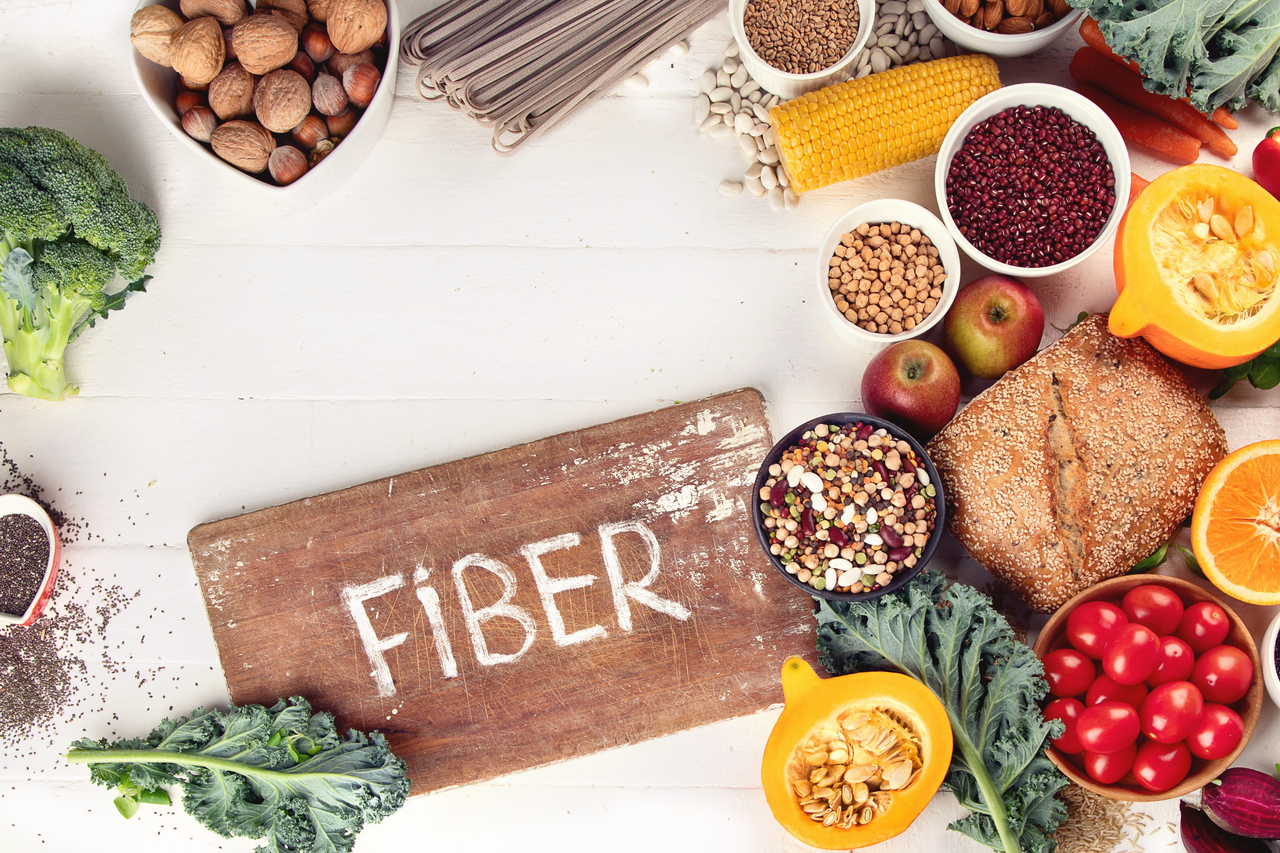
According to nutritionists, soluble dietary fiber includes pectin — found in apples, citrus fruits and berries — and beta-glucan, which is abundant in oats and barley. Because soluble fiber affects the speed of digestion and nutrient absorption, it helps regulate blood sugar and cholesterol levels. Insoluble fiber, which does not dissolve readily in water, is found in whole grains and vegetables such as cauliflower and spinach, and contributes to stool bulk and regularity.
Fiber can be classified even more precisely by function: viscous, fermentable, prebiotic and stool-bulking. The viscous-versus-non-viscous distinction refers to how thick a fiber makes a solution when it contacts water. Even among soluble fibers, highly viscous types form a gel in water and can have a more direct effect on post-meal blood sugar and cholesterol responses.
While viscosity matters for blood sugar and cholesterol management, fermentability is the key factor for gut microbiome function. Fermentable dietary fiber refers to components broken down by gut microorganisms in the large intestine — including inulin, fructooligosaccharides, galactooligosaccharides, resistant starch, pectin and beta-glucan. Among these, components selectively used by beneficial gut bacteria are called prebiotic dietary fiber. If probiotics are the beneficial bacteria themselves, prebiotics are the food that feeds them — with inulin, fructooligosaccharides and galactooligosaccharides being the most representative examples.
According to data released in February by market research firm Innova Market Insights, at least half of consumers worldwide said they were increasing their intake of both dietary fiber and probiotics for gut health. The finding suggests that consumers are looking beyond probiotics — long considered the go-to ingredient for gut health — and factoring in dietary fiber as well. The recognized functions of dietary fiber, once centered on bowel and digestive management, have recently expanded to include gut microbiome health, satiety and blood sugar control.
"Rather than meeting a daily fiber intake from a single food, the most effective approach is to combine multiple foods so different fiber types complement each other," an industry official said. "Particularly as blood sugar management and gut health have emerged as key wellness keywords, the specific types of fiber associated with those benefits will expand as a point of differentiation in the market."
gorgeous@heraldcorp.com