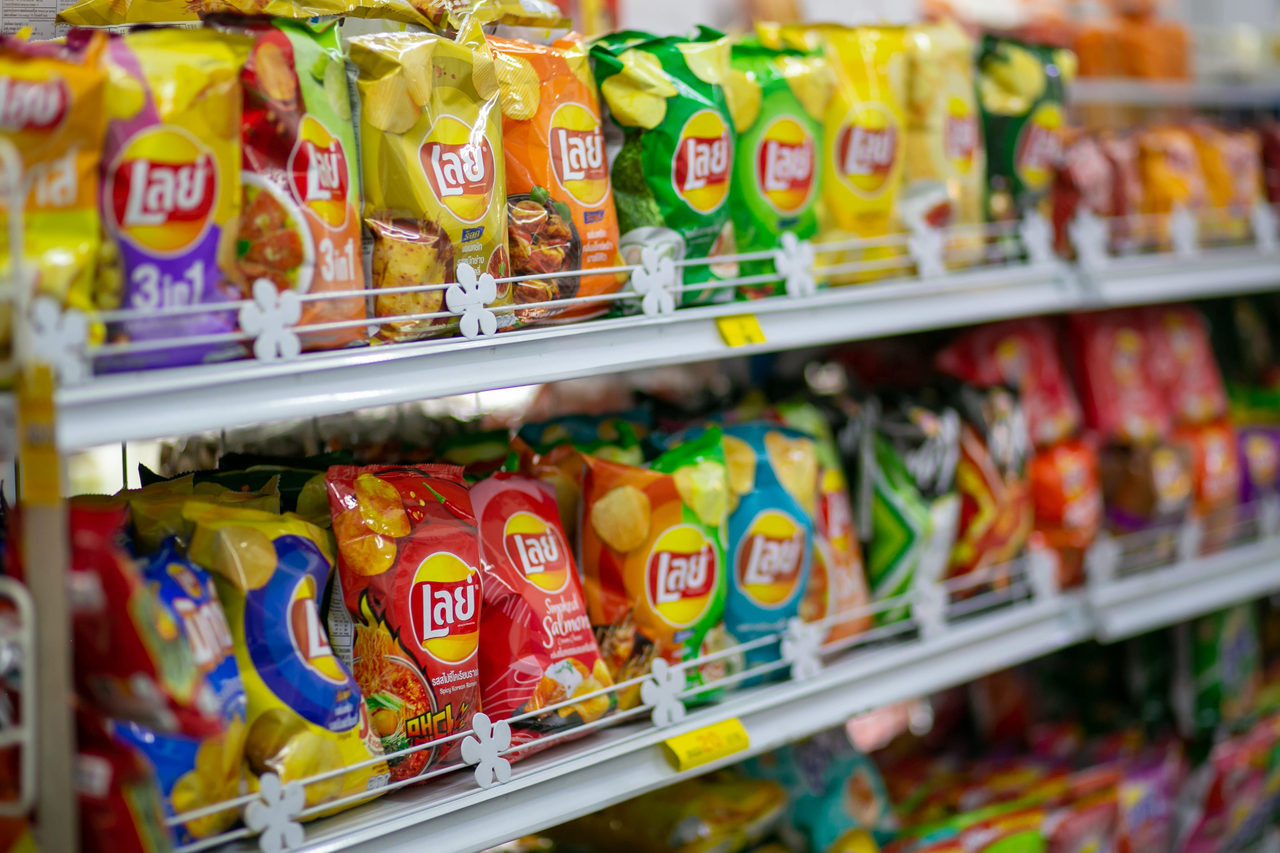
As hypertension cases surge among people in their 20s and 30s, health experts are warning that young Koreans need to pay closer attention to what they pick up at convenience stores.
According to data released by the Ministry of Food and Drug Safety last February, the hypertension prevalence rate among adults aged 19 and older climbed from 23.8 percent in 2014 to 30.7 percent in 2024 — meaning roughly one in three Korean adults now has high blood pressure.
Particularly concerning is the rise among younger patients. Long considered a condition that develops with age, hypertension is increasingly affecting younger people. Data from the Health Insurance Review and Assessment Service show that the share of patients in their 20s relative to the population grew 27.9 percent over the five years from 2019 to 2023. "The patient-to-population ratio has risen markedly among people in their 20s through 40s," the agency said.
A domestic study has also examined the link between convenience stores — a staple of young Koreans' daily lives — and hypertension rates. Researchers at the National Cancer Center, writing in the latest issue of the international journal Frontiers in Public Health, said they confirmed "an association between areas with more convenience stores and higher hypertension prevalence."
Analyzing data on roughly 220,000 people in 2022 and comparing regional convenience store counts against health indicators, the researchers found that each additional convenience store per 1,000 residents corresponded to a 0.9 percentage point increase in hypertension prevalence. Ready-to-eat items commonly sold at convenience stores — triangle kimbap, dosirak, cup ramyun and other processed foods — tend to be high in sodium and calories. "Since hypertension is closely linked to sodium intake, greater convenience store accessibility may have influenced residents' dietary habits and hypertension rates," the researchers said.
Medical experts say sodium raises blood pressure because salty food prompts the body to retain water to maintain balance. The resulting increase in blood volume puts greater pressure on blood vessels and places added strain on the heart.
A 2026 hypertension nutrition management guide published by the Ministry of Food and Drug Safety analyzed the dietary habits of 153 adults at risk of hypertension and found that younger people faced the greatest risk when they skipped breakfast. Middle-aged adults were most at risk when they drank alcohol frequently, while older adults were most vulnerable when they were overweight. Across all age groups, common risk factors included eating salty broth-based dishes often and regularly consuming fast food, late-night snacks or restaurant meals.
The ministry recommends checking sodium content on nutrition labels when buying food at convenience stores. When choosing dosirak or kimbap, opt for options with more vegetables. For snacks, swapping salty chips for fruit or nuts such as almonds is a good alternative — almonds in particular are widely recognized as a heart-healthy snack.
When dining out, choosing dishes without broth helps. Ssambap is a better option than sundubu jjigae, and bibimbap with less sauce beats ramyun or jjamppong. Ordering bossam instead of spicy stir-fried pork, or baeksuk instead of braised spicy chicken, can significantly cut sodium intake by favoring lightly seasoned preparations.
Starting a meal with vegetable banchan is an effective strategy — it helps reduce sodium intake while boosting dietary fiber.
gorgeous@heraldcorp.com