A parasitic outbreak linked to salad lettuce in the United States is spreading, and health authorities in South Korea are urging similar caution as the country endures record-breaking heat — particularly when consuming raw vegetables such as salad greens.
According to the US Centers for Disease Control and Prevention, Cyclospora parasites were found in iceberg lettuce from Mexico distributed through well-known salad chains and supermarkets. The outbreak has so far produced 6,358 confirmed cases, fueling widespread distrust of salads. Salad and Go, a salad chain unrelated to the outbreak, ultimately filed for bankruptcy after the consumer backlash compounded its financial difficulties.
Cyclospora spreads primarily through water or food contaminated with fecal matter — particularly raw vegetables. Heating food to 70 degrees Celsius or above kills the parasite, but salad greens eaten raw carry a significant infection risk.
South Korea faces its own food-safety concerns. While the transmission route differs from Cyclospora, hot and humid weather significantly raises the risk of food poisoning from raw vegetables.
According to the Ministry of Food and Drug Safety, high-temperature, high-humidity conditions in summer create ideal conditions for microbial growth. Pathogenic Escherichia coli, a common cause of food poisoning, can multiply from a single bacterium to about 1 million within two hours at temperatures between 30 and 35 degrees Celsius.
Salads are particularly vulnerable — even brief exposure to room temperature in summer can be dangerous. They should be refrigerated within two hours of purchase. If a salad has been left in an environment exceeding 32 degrees Celsius for more than an hour, it should be discarded. Once a product is opened or dressing has been mixed in, consuming it within 24 hours is recommended. Improperly washed or stored ingredients also raise the risk of food poisoning. Vegetables should always be washed before cutting.
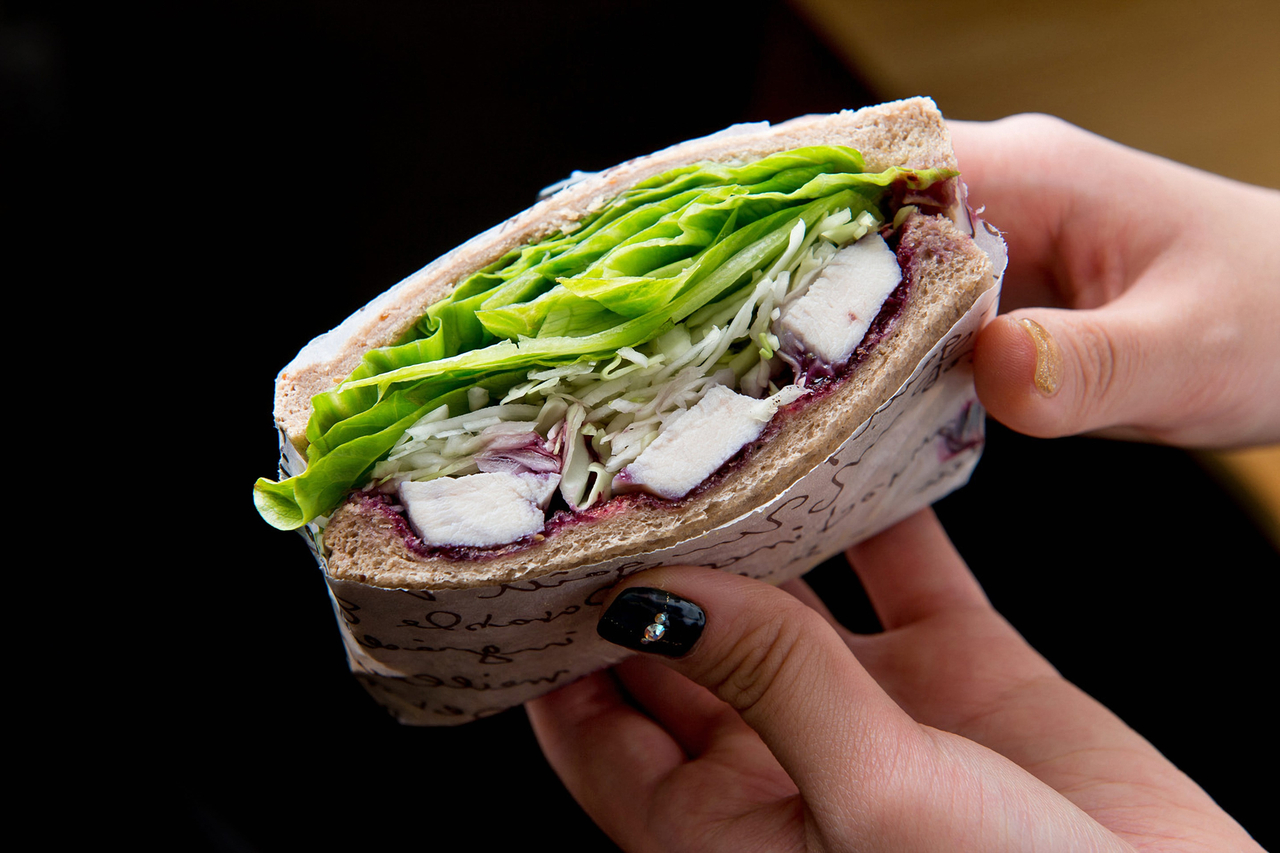
Sandwiches containing raw vegetables carry the same risks. When moist animal-based ingredients — such as egg, tuna, chicken or ham — are combined with raw greens, microbial growth accelerates rapidly if temperature control is inadequate. Sandwiches should not be left at room temperature for more than two hours, and consumers should always check the expiration date on the packaging. When kept refrigerated at or below 10 degrees Celsius, sandwiches should ideally be eaten within 48 hours, or two days.
Fried rice may seem safer because the vegetables are cooked, but it is not immune to bacterial growth in summer. Leaving cooked rice at room temperature for extended periods allows Bacillus cereus to multiply rapidly and produce food-poisoning toxins.
The bacterium forms heat-resistant spores that can survive the cooking process, and it thrives more readily in fried rice than in plain steamed rice because the added ingredients supply extra moisture and nutrients. Once the toxin has formed, reheating will not fully eliminate it. In summer, fried rice should be portioned immediately after cooking and stored in the refrigerator or freezer without delay.
gorgeous@heraldcorp.com