
"I eat miyeok-guk every morning."
The British Daily Mail described that as Amal Clooney's breakfast routine on Friday (local time). Wife of Hollywood actor George Clooney and a prominent international human rights lawyer, she has become a celebrity wellness reference point. The outlet highlighted her healthy diet, noting that she starts her day with "Korean seaweed soup loaded with sesame oil, garlic and sea vegetables."
More international celebrities are turning to miyeok-guk, the traditional Korean seaweed soup. Beef miyeok-guk gained particular global recognition after BTS member Jungkook named it as one of his favorite foods, drawing wide interest in the dish as a diet and health food.
The soup's appeal as a wellness food stems from its rich nutrient profile and high satiety despite being low in calories. It is packed with vitamins, amino acids and soluble dietary fiber — but minerals stand out above all, including iodine, calcium and iron.
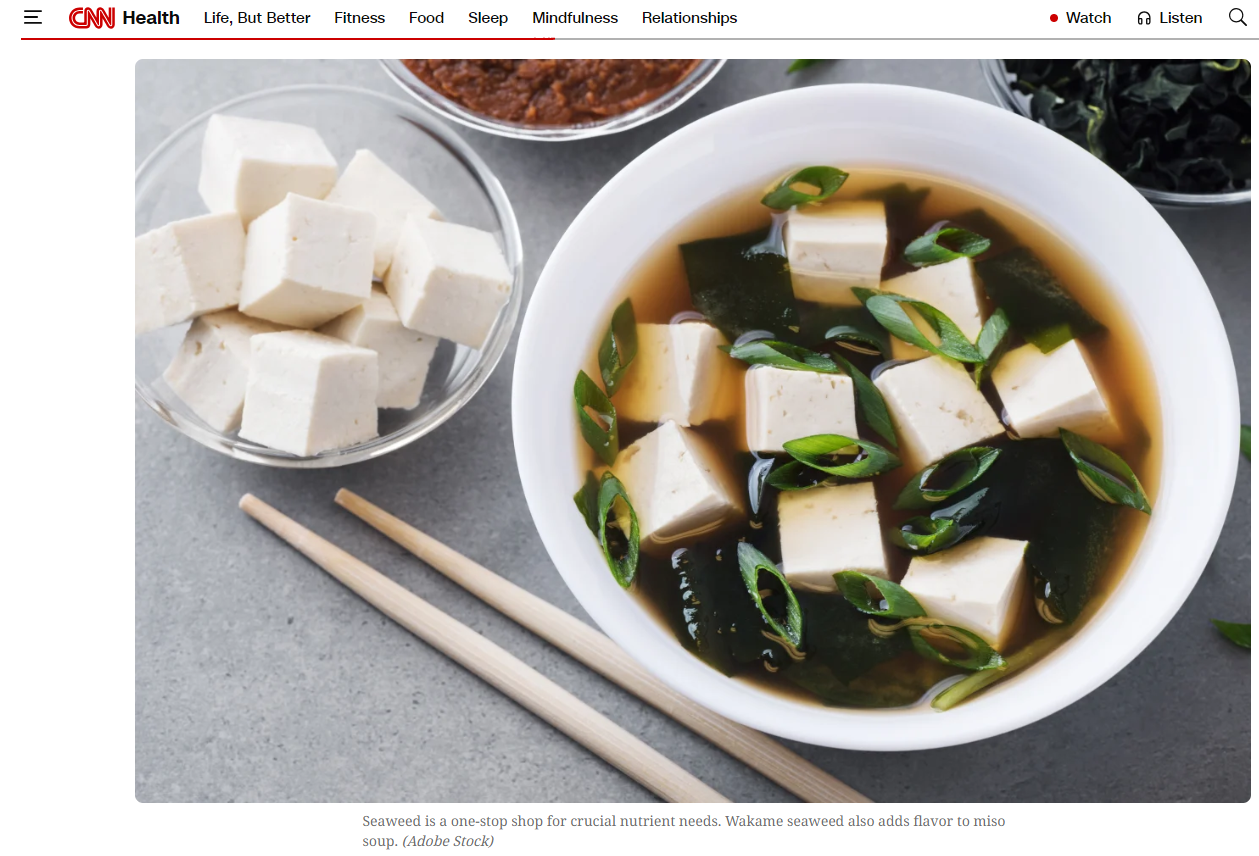
CNN spotlighted the nutritional value of miyeok, or sea mustard, in 2022. Citing experts, the network said that "seaweeds like miyeok have the ability to absorb large amounts of trace minerals from the ocean," making them "foods that supply the body with trace elements."
Research published in the international journal Critical Reviews in Food Science and Nutrition in 2022 by scientists at the University of Chile found that seaweed contains at least 10 times more minerals than land plants.
However, the soup's high iodine content means overconsumption warrants caution — particularly for Koreans, who already take in ample iodine through seaweed, fish and other staples, unlike people in Western countries where seaweed is rarely eaten.
According to a paper by the Korea Health Industry Development Institute published in the Journal of Community Nutrition in 2022, the average Korean adult consumes 417 micrograms of iodine per day — 2.8 times the recommended intake of 150 micrograms. Miyeok alone accounted for the largest share of iodine intake at 42 percent. Among 115 foods analyzed, three seaweeds — miyeok (42 percent), dashima kelp (21 percent) and gim (13 percent) — together made up 77 percent of total iodine consumption. The researchers said "seaweed is consumed on a routine basis in Korea, and women in particular tend to eat significantly more miyeok-guk while breastfeeding, raising concerns about excessive iodine intake."
Kang Jae-heon, a professor of family medicine at Kangbuk Samsung Hospital at Sungkyunkwan University School of Medicine, said iodine is essential for thyroid hormone production, but excessive intake can suppress thyroid hormone synthesis and raise the risk of thyroid conditions such as hypothyroidism and thyroiditis.
The recommended daily iodine intake for Koreans is 150 to 340 micrograms, with an upper limit of 2,400 micrograms.
Kang advised limiting miyeok-guk to once or twice a day at most, noting that a single bowl contains about 700 micrograms of iodine, and recommended eating a varied, balanced diet overall.
gorgeous@heraldcorp.com