Four in 10 adults aged 30 and older in South Korea have prediabetes, putting nearly half the adult population at risk of developing type 2 diabetes.
According to the Korean Diabetes Association's "Diabetes Fact Sheet 2024," released in May and based on the 2021–2022 Korea National Health and Nutrition Examination Survey, 41.1% of adults aged 30 and older in South Korea are in a prediabetic state — the stage just before a formal diabetes diagnosis. Diabetes ranked seventh among all causes of death in the Ministry of Statistics' "2024 Cause of Death Statistics."
Prediabetes is defined as blood sugar levels elevated above normal, placing individuals in a high-risk group for diabetes. A fasting blood glucose level below 100㎎/dL is considered normal; 100–125㎎/dL indicates prediabetes; and 126㎎/dL or higher is classified as diabetes.
Because diabetes is closely tied to diet, managing what one eats is essential at the prediabetes stage.
Cutting back on sugary drinks is particularly important. A study by a joint US-German research team, published in the American Society for Nutrition journal Advances in Nutrition in 2025, found that each additional daily serving of sugar-sweetened beverages — about 355 milliliters — was associated with a 25 percent increase in the risk of type 2 diabetes.
Yet most of the added sugar Koreans consume from processed foods comes from beverages. A Korea National Health and Nutrition Examination Survey (2019–2023) released by the Ministry of Food and Drug Safety last year found that Koreans obtained 47 percent of their processed-food sugar intake from beverages, at 11.4 grams — the highest share of any food category. Snacks, bread and rice cakes came second at 5.4 grams.
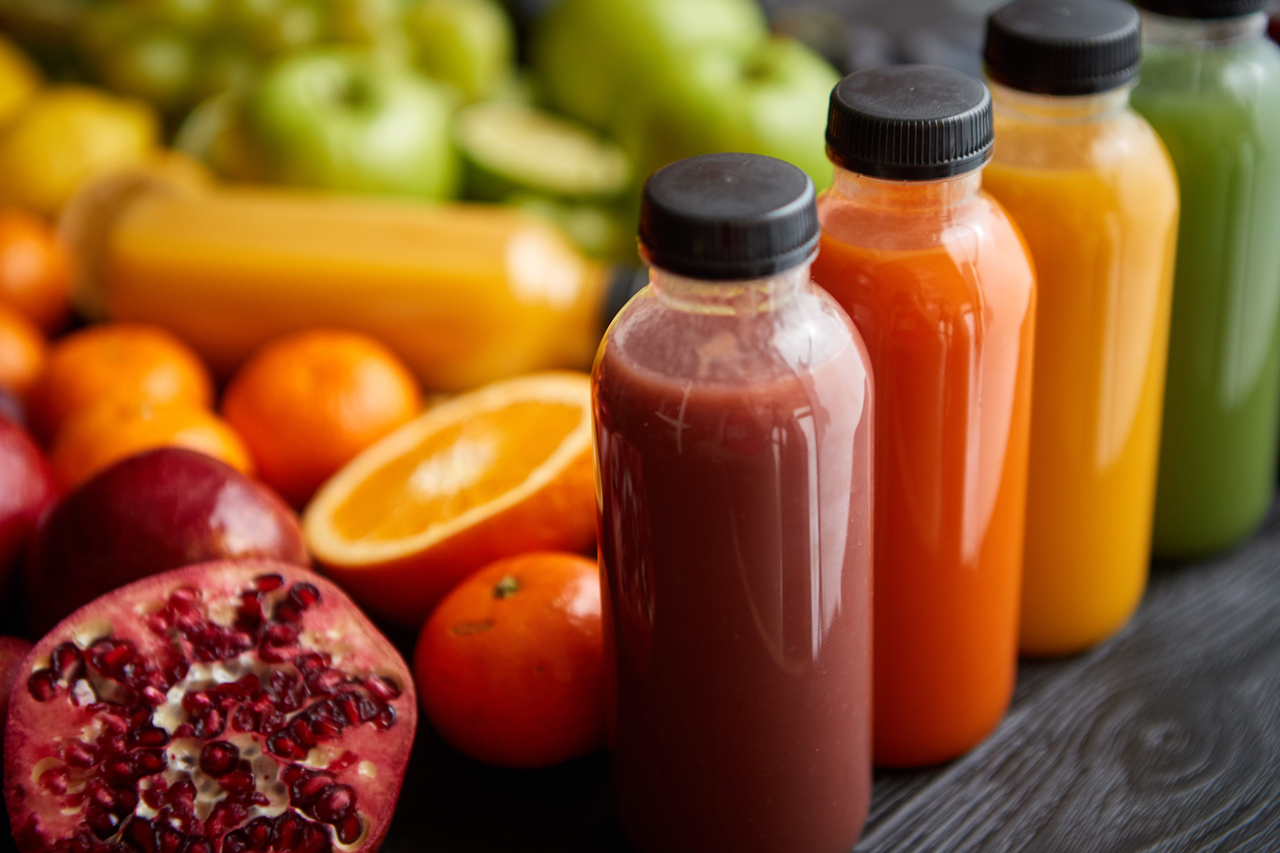
The sugar in processed drinks poses a greater diabetes risk than sugar in solid foods, because liquids pass through the digestive tract and are absorbed far more quickly. Even the same amount of sugar raises blood glucose more sharply when consumed as a drink. This applies not only to sweet lattes and cola but also to fruit juice, which is often mistaken for a health food.
Medical experts note that when whole fruit is eaten, its dietary fiber acts as a buffer that slows the rise in blood sugar. Fruit juice, however, loses nearly all of its fiber during the blending or pressing process. With no fiber left to slow absorption, blood sugar rises rapidly.
Instant coffee mix is another concern: the sugar and creamer it contains can raise blood glucose and contribute to weight gain. Drinks low in sugar and calories — such as green tea or barley tea — are better choices.
Alongside beverage choices, building meals around foods that support blood sugar control is key. The Ministry of Food and Drug Safety's basic dietary guidelines for prediabetes start with 'limiting processed refined grains such as wheat flour.' Whole grains — brown rice, mixed grains and the like — are recommended over white rice. Replacing rice with potatoes, noodles or rice cakes as a meal staple is discouraged.
For banchan, eating a balanced variety of foods — including vegetables, meat, fish and legumes — is advised. To reduce sugar intake, sauces and condiments of all kinds should be used as sparingly as possible.
gorgeous@heraldcorp.com