Normal BMI can still mean excess abdominal fat
Middle-aged adults should monitor waist circumference regularly
Balanced protein intake recommended at every meal
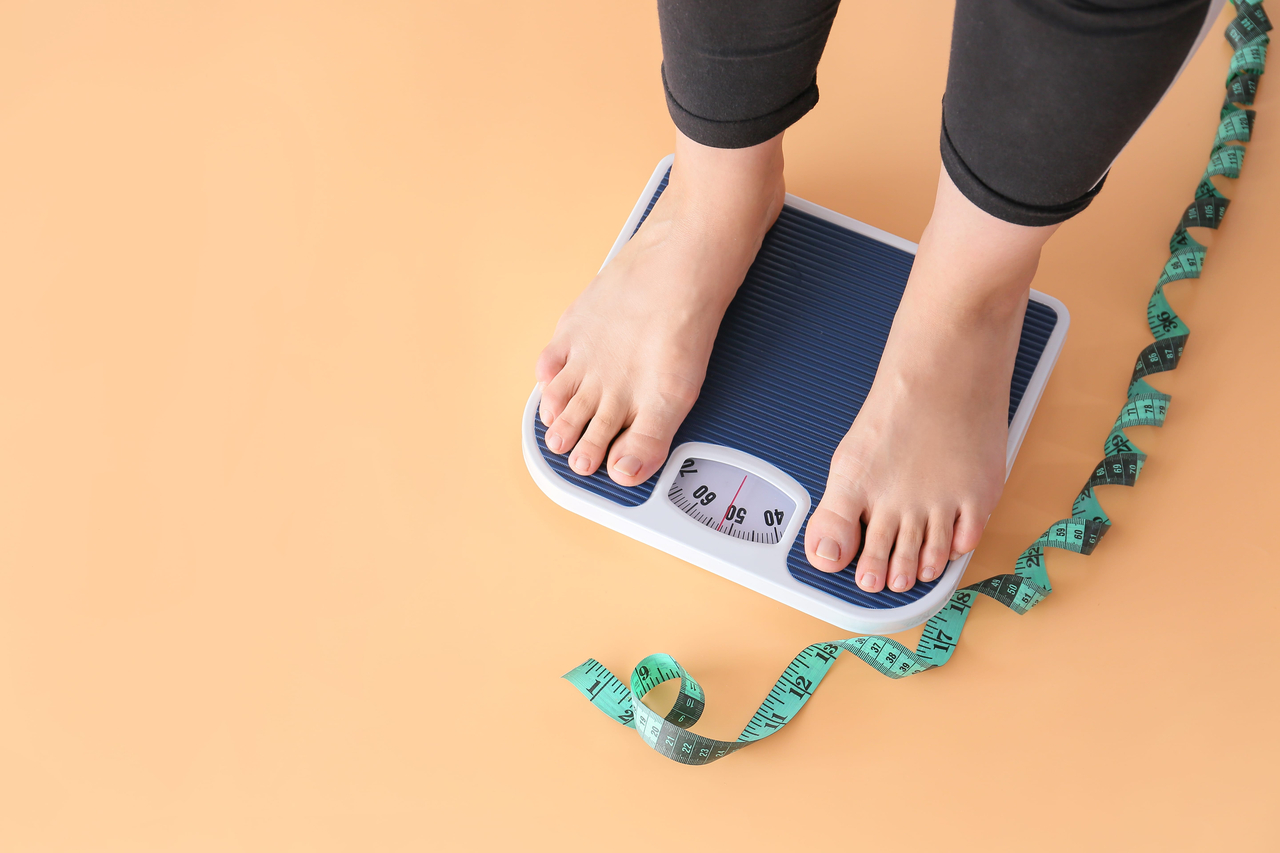
"In my 30s it wasn't like this, but now whenever I gain weight it all goes to my stomach. My body shape has changed over the past few years and I'm really bothered by the belly," said Seol, an office worker in her 40s.
From the 40s onward, there is more to watch than just the number on the scale — body shape changes noticeably, and waist circumference is a key health indicator for middle-aged adults. Weight gain in this age group is often tied to an increase in abdominal and visceral fat, which raises the risk of metabolic disease.
According to medical information from Seoul National University Hospital, abdominal obesity is more significant than excess fat in the arms, legs or hips. Abdominal fat is divided into subcutaneous fat and visceral fat depending on where it accumulates. When visceral fat surrounding the internal organs builds up severely, the risk of type 2 diabetes, high blood pressure, hyperlipidemia and cardiovascular and cerebrovascular disease increases. By Korean waist circumference standards, abdominal obesity is defined as 35.4 inches or more for men and 33.5 inches or more for women.
Even people with a normal body mass index can have a noticeably protruding belly. Many people now check only their weight and BMI using smart scales, but that approach has its limits.
BMI uses only height and weight to indicate obesity and cannot distinguish where fat has accumulated in the body. Even when BMI falls within the normal range of 18.5 to 22.9 — the standard for Korean adults — a person may still carry significant abdominal or visceral fat.
Research published in the American Journal of Clinical Nutrition in 2007 by scientists at Simon Fraser University in Canada found that, at the same BMI, people of Asian descent carry more abdominal fat — particularly visceral fat — than those of European descent. The greater the accumulation of abdominal fat, the greater the strain on blood sugar regulation, which in turn raises the risk of metabolic conditions such as type 2 diabetes.
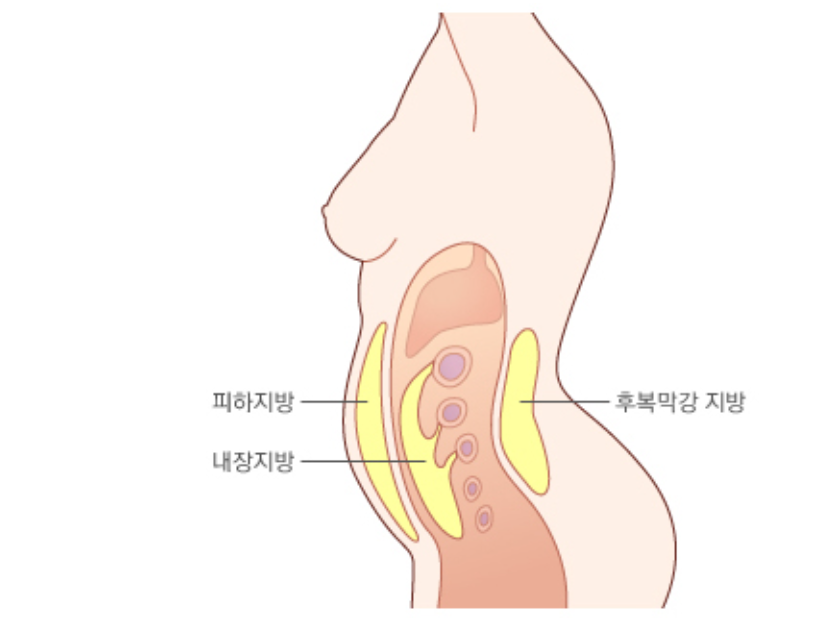
Chae Gyu-hui, director of the fat stem cell center at 365mc Nowon, said that if a growing waistline is accompanied by rising fasting blood sugar, glycated hemoglobin, triglycerides and blood pressure, "this should be seen not as simple weight gain but as an early warning sign of obesity-related disease." She added that middle-aged adults should focus not just on losing weight but on reducing abdominal obesity and maintaining healthy eating habits and physical activity.
For middle-age health management, she recommended a balanced diet centered on protein and unsaturated fatty acids, regular aerobic and strength exercise, adequate sleep, and cutting back on excessive alcohol and ultra-processed foods.
Particularly from middle age onward, muscle mass gradually declines, making adequate protein intake essential. Protein also affects metabolic health, and managing muscle through sufficient protein consumption can help maintain healthy metabolic function.
Protein is most effective when eaten alongside dietary fiber. Song Ryu-ri, a sports nutritionist and head of Ryutrition, explained that protein and dietary fiber both have a high "thermic effect of food," meaning the body burns more energy digesting and absorbing them. She went on to say people should pair protein-rich foods such as boiled eggs, chicken breast, tuna and tofu with dietary fiber.
gorgeous@heraldcorp.com