Spoils faster than white fish
Histamine survives cooking
Salted mackerel also needs refrigeration
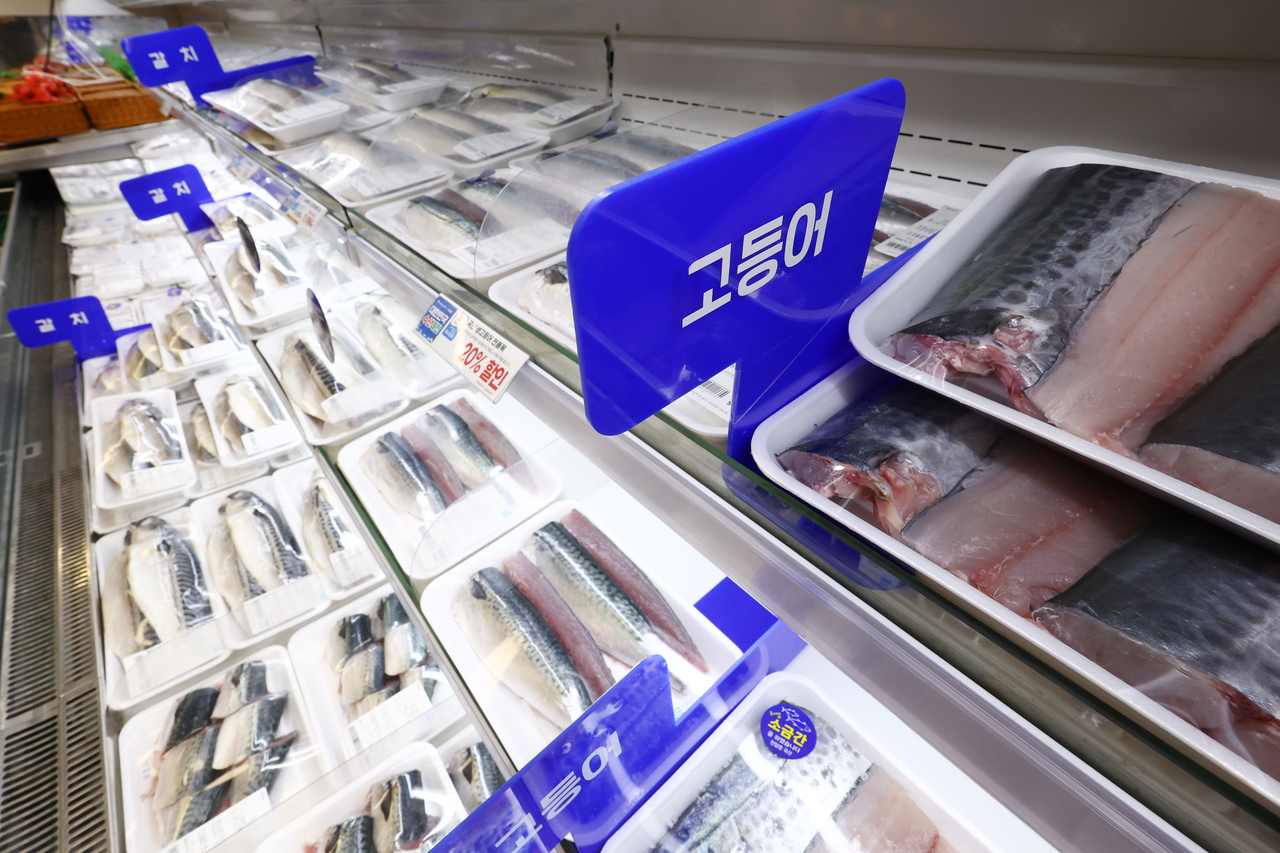
"I bought mackerel at the supermarket, put it in the fridge and forgot about it. I was worried about getting sick in the summer heat, so I just threw it out." — Jeon, a worker in her 30s.
Seafood eaten in hot weather can become a health hazard if handled carelessly. Mackerel in particular spoils far more quickly than white fish during summer, demanding extra caution.
Mackerel is not the only concern. Other blue-backed fish — also called red-fleshed fish — including Pacific saury, tuna and skipjack tuna pose the same risk.
Blue-backed fish spoil quickly because of their high fat content and the rapid breakdown of glycogen into lactic acid. Their red flesh is also rich in the amino acid histidine, which bacteria convert into histamine when the fish is left at room temperature. As histamine levels rise, eating the fish can trigger scombroid fish poisoning — also known as histamine fish poisoning — with symptoms resembling a food allergy: facial flushing, hives, vomiting, diarrhea and dizziness.
According to the Ministry of Food and Drug Safety, intestinal enzymes normally break down histamine, but excessive intake can cause problems in the body. To strengthen safety management, the ministry has set a histamine limit of 200 mg/kg or below for blue-backed fish.
In summer, even a few hours at room temperature can be dangerous. A paper by Yonsei University College of Medicine, published in the Korean Journal of Clinical Toxicology in 2019, found that storing red-fleshed fish at room temperature for two to three hours can generate enough histamine to cause poisoning.
That is why, before modern transportation reached inland areas, people there ate only salted mackerel — known as gan-godeungeo or jaban-godeungeo. Salting slows histamine formation but does not eliminate it entirely.
Thorough cooking does not guarantee safety either. Once histamine forms, grilling or boiling will not destroy it. It is also difficult to detect by smell or appearance.
The key to preventing histamine buildup from the outset is cold storage. Fish bought at a store should be kept chilled at all times — in an insulated cooler if necessary.
The Ministry of Food and Drug Safety recommends refrigerating or freezing fish immediately after purchase. Fish kept in the refrigerator should be eaten within seven days. Salted mackerel is no exception and must also be stored in the refrigerator or freezer.
Caution is also needed when thawing. Fish should never be defrosted in hot water or left out at room temperature; use a refrigerator or microwave instead. Once thawed, fish should be cooked and eaten right away and never refrozen. Fish delivered without cold packaging should be inspected carefully, as it may have spoiled in transit.
gorgeous@heraldcorp.com