Cauliflower keeps carbs low
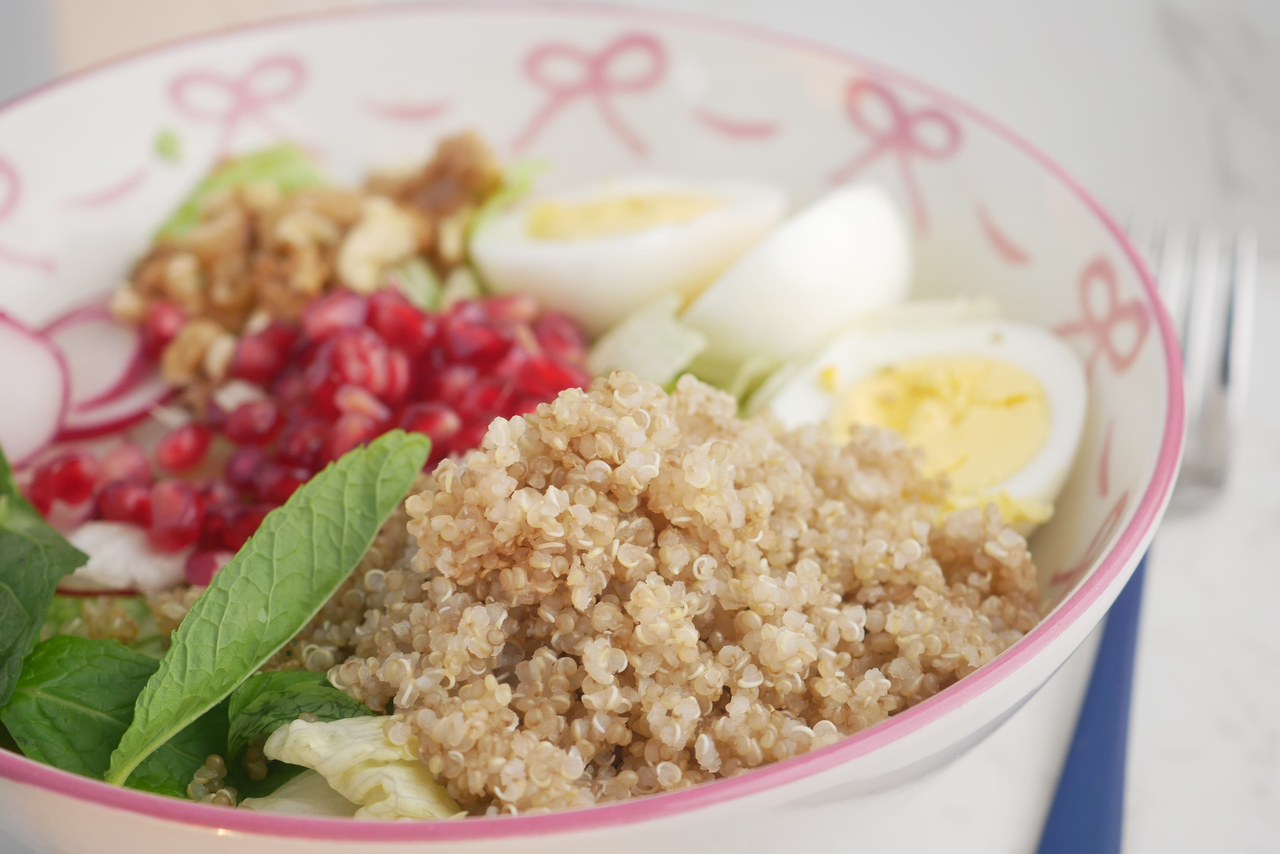
Quinoa delivers complete protein
Couscous offers fluffy texture and easy prep
Riso, a chewy rice-shaped pasta for a satisfying meal
For anyone trying to lower blood sugar or manage weight, a bowl of white rice at every meal can feel like a setback. One solution is to swap in alternative ingredients. Cauliflower helps cut carbohydrate intake, while quinoa boosts protein and dietary fiber. Couscous adds a light, fluffy texture, and riso brings a pleasantly chewy bite.
Cauliflower rice is simply cauliflower chopped into rice-sized pieces. Because it can stand in for cooked rice, it has earned the name "cauliflower rice."
Cauliflower contains far fewer carbohydrates than white rice, making it easy to replace some or all of the rice in a dish to reduce carb intake. According to the US Department of Agriculture (USDA), 100 grams of raw cauliflower contains about 5 grams of carbohydrates and 2 grams of dietary fiber. It also provides vitamins C and K, as well as folate.
Cauliflower has also found a place in the diet of US President Donald Trump. Former White House physician Ronny Jackson said in 2020 that he mixed cauliflower into mashed potatoes to improve Trump's eating habits.
Quinoa is eaten like rice or other grains, but botanically it is a seed. It can be boiled and served as a side dish or added to salads and soups, making it a versatile ingredient.
Quinoa is considered a "complete protein" because it contains all nine essential amino acids — a distinction that sets it apart from most grains. White rice does contain essential amino acids, but quinoa's particular strength is its relatively high proportion of lysine, an amino acid that rice tends to lack.
Quinoa is also high in protein overall, making it a useful plant-based protein source. According to the USDA, 100 grams of raw quinoa contains 14 grams of protein, 7 grams of dietary fiber and 64 grams of carbohydrates. It also provides magnesium, iron and folate.
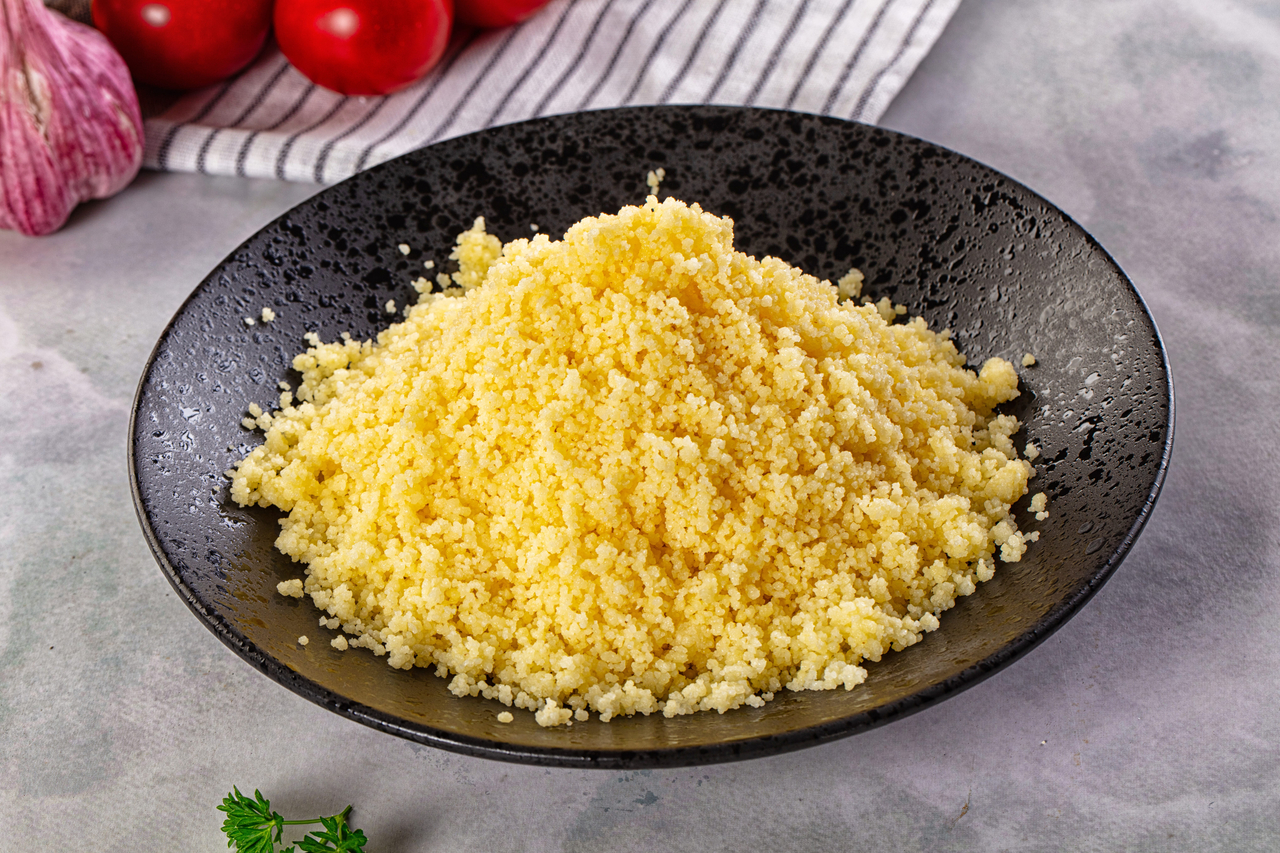
Couscous has long been a staple across North Africa. It has a mild flavor and a light, fluffy texture. Although it looks like a grain, it is made from wheat — specifically semolina, a coarsely ground flour from durum wheat, mixed with water and shaped into tiny granules. Strictly speaking, it is a form of pasta.
Ease of preparation is one of couscous's biggest selling points. Instant couscous products are ready to eat after just five to 10 minutes of soaking in boiling water with a lid on.
Couscous is most commonly tossed with vegetables and served as a salad. It also absorbs the flavors of broths and sauces particularly well, making it a natural companion to meat-and-vegetable stews.
Riso is also made from durum wheat semolina, just like couscous. It is a small, rice-shaped pasta with a slightly chewier bite than actual rice — ideal for those who enjoy a more substantial texture.
Simmered in a sauce until thick and creamy, riso can be used to make a dish that closely resembles risotto. It is a good choice for anyone who wants the look of a rice bowl with the distinctive chew of pasta.
Of the four ingredients, couscous and riso contain gluten. Cauliflower and quinoa, like white rice, are gluten-free.
gorgeous@heraldcorp.com