Simmered thick without added sugar
Works in lattes, baked goods and galbi

Just as the leaves turn red in autumn, jujubes come into peak season — their best eating window runs from September through October.
The fruit has been appearing more frequently in cafes and home baking lately, riding the "halmaenieol" trend — a portmanteau of "grandmother" and "millennial" that describes a taste for old-fashioned Korean flavors among younger consumers. Jujube paste, known in Korean as daechugo, is particularly well suited to trendy beverages and baked goods. It is easy to make at home and keeps well.
The "go" in daechugo shares the same hanja as the character in "yeongo," meaning ointment, conveying the idea of something slowly reduced to a thick concentrate. The paste is made by simmering jujubes for a long time until they reach that consistency.
To make it, wash the jujubes thoroughly and soak them in water. Bring them to a boil in a pot over high heat, then reduce to low and simmer for two hours. Transfer to a sieve and press the flesh through with a ladle or spoon to remove the seeds and skins. Return the strained pulp to the pot and stir over low heat for about an hour until the moisture cooks off. The finished paste keeps in the refrigerator for one to two months.
Daechugo is a traditional health food that requires no added sugar during cooking — jujubes are naturally sweet, so the paste delivers a clean, natural sweetness on its own. Those who prefer a richer sweetness can stir in honey or sugar while simmering.
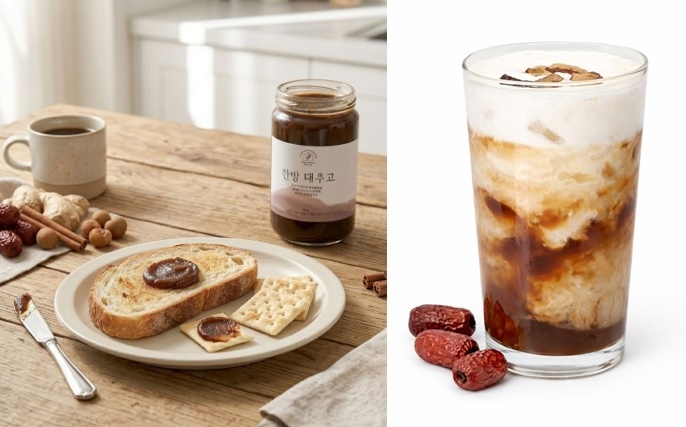
The most popular use for daechugo is a jujube latte. Stir one or two spoonfuls of the paste and a drizzle of honey into milk or almond milk, then finish with a light dusting of cinnamon. The result is a deep, warming flavor that feels made for the season.
For a cold option, a jujube ade works well: mix daechugo and a squeeze of lemon juice into chilled sparkling water for a refreshing drink packed with natural vitamins.
Daechugo also pairs well with plain yogurt. Spoon the paste over a bowl of yogurt and top with granola for a morning meal rich in protein, dietary fiber and vitamins.
It fits naturally into baking and desserts as well. Spread on bread or crackers — with cream cheese alongside if desired — it makes a simple jujube jam toast. Folded into scone or madeleine batter, it replaces some of the sugar while adding moisture and a subtle sweetness.
In savory cooking, daechugo works well stirred into marinades. Added to the braising sauce for dishes like galbi, it contributes sweetness and a glossy finish without any added sweetener. For salad dressing, whisk it together with olive oil and balsamic vinegar for a sweet-and-tangy result.
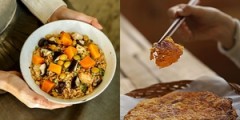
Beyond daechugo, cafes have been rolling out autumn menus built around jujube more broadly — offerings include coffee topped with jujube cream and financier cakes crowned with a crispy jujube crumble.
There is even a Korean proverb warning that passing up a jujube will make you age faster, a nod to how long the fruit has been prized for its nutritional value. According to nutritional data from the Ministry of Food and Drug Safety, 100 grams of fresh jujube contains 85.9 milligrams of vitamin C — close to the recommended daily intake of 100 milligrams.
gorgeous@heraldcorp.com