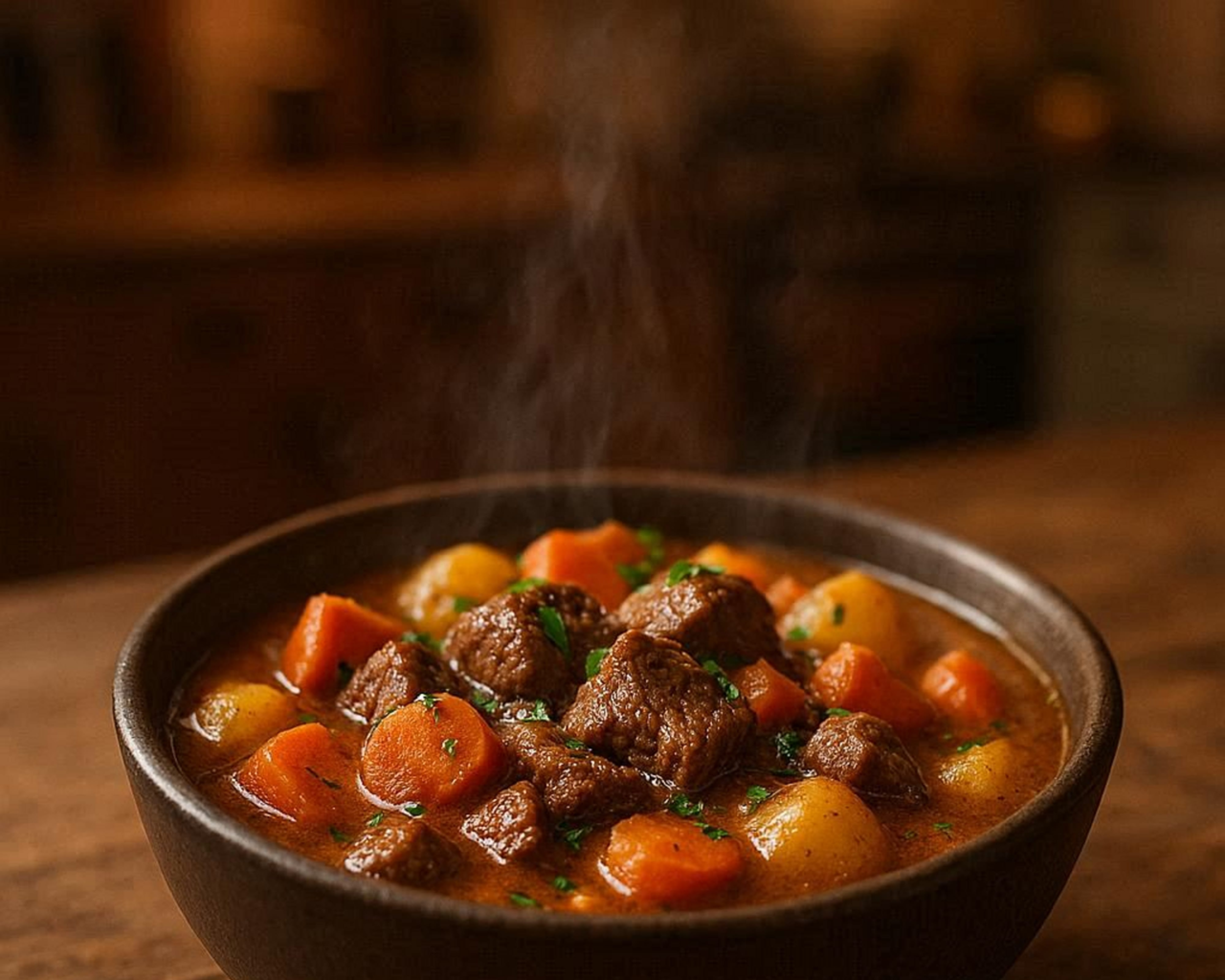
Plastic wrap is a kitchen staple, but it is not suitable for every food — whether for safety or quality reasons. Hot or fatty foods such as meat broth, mushrooms, and cut watermelon or melon are among the items that do not pair well with it.
Covering hot food with plastic wrap before it has cooled traps heat and moisture inside, slowing the cooling process considerably. That means the food spends more time in the temperature range where spoilage is most likely.
The US Department of Agriculture defines 4–60°C as the "Danger Zone," the range in which bacteria such as Salmonella, Staphylococcus aureus and enterohemorrhagic E. coli multiply most rapidly. The USDA notes that bacterial counts can double in as little as 20 minutes within this range.
Hot food should either be cooled completely before refrigerating or kept above 60°C to remain safe — the same rule applies whether you use plastic wrap or a glass container. It is best to leave the lid off until the food has cooled fully.
Fatty foods — butter, meat broth, galbi and oil-based sauces — should not come into contact with polyvinyl chloride (PVC) wrap. According to the Ministry of Food and Drug Safety's guidelines on food-use utensils and packaging, many commercial-grade PVC wraps contain plasticizers such as phthalates, which are classified as endocrine disruptors. These compounds can migrate into food when the wrap touches hot or high-fat items. The ministry recommends packaging fatty foods so that the wrap does not make direct contact with the food.
Some foods are better off unwrapped for taste and freshness reasons as well. Soft cheeses such as Camembert, blue cheese and goat cheese stay fresher when they can breathe and maintain appropriate moisture levels. Sealing them in plastic wrap traps too much moisture and cuts off airflow, which can degrade their flavor. Wrapping them loosely in wax paper or cheese paper is a better option.
The same logic applies to enoki mushrooms. Mushrooms need to breathe to stay fresh in the refrigerator, but plastic wrap traps moisture and blocks air circulation. Storing them in a paper bag instead extends their shelf life.
Among fruits, those with high water content and sugar levels — watermelon being the prime example — require extra care when cut and wrapped. Trapping sugar and moisture in an enclosed space creates ideal conditions for bacterial growth. In fact, a Korea Consumer Agency test conducted in 2015 found that bacteria on the surface of a halved watermelon stored under plastic wrap in the refrigerator increased by up to 3,000 times the initial count. Oriental melon and melon, both summer fruits, pose similar risks. Cut fruit is best stored in a sealed glass container in the refrigerator.
Storing plastic-wrapped food in the freezer is also inadvisable, as the wrap's adhesive strength weakens over time at freezing temperatures.
gorgeous@heraldcorp.com