
"Eat your way to younger skin." "The secret to a youthful complexion."
Amid a booming market for collagen supplements aimed at improving skin elasticity, attention is increasingly turning to a natural dietary approach that may achieve similar results. The combination: protein and vitamin C — a way to help the body synthesize collagen on its own, rather than relying on supplements.
Collagen is a structural protein that makes up skin, bones, cartilage and tendons. It accounts for roughly 70 percent of the dermis, the layer of skin beneath the outer surface. While collagen is essential for skin elasticity and moisture retention, its production declines with age, causing skin to lose firmness.
In South Korea, growth in the health functional food segment has been particularly striking. According to data from the Korea Institute of Science and Technology Information (2024), the overall collagen food market — spanning beverages, powders, bars and functional foods — grew at an average annual rate of 31.3 percent from 2016 to 2022. Among product categories, hydrolyzed collagen, a health functional food in which large molecules are broken into smaller fragments, grew at 58.7 percent — well above the overall average.
Opinions on the effectiveness of collagen supplements remain divided, however. A study covered by the International Journal of Dermatology in 2021 found that 95 percent of female participants reported improved skin elasticity and reduced wrinkles after taking hydrolyzed collagen.
A number of studies, however, have found little clear benefit. A research team led by professor Myeong Seung-kwon of the National Cancer Center's Graduate School of Cancer Science and Policy published a paper in the American Journal of Medicine in 2025 finding that "after comparing and analyzing a total of 23 clinical trials, the overall body of research showed collagen supplements had a positive effect on skin elasticity, wrinkles and moisture, but independent studies without pharmaceutical company support and higher-quality studies — those with larger sample sizes and greater reliability — did not confirm those effects." The team concluded that clinical evidence for collagen supplements' ability to improve skin aging remains insufficient.
According to Tufts University's official health information page, even consuming large amounts of collagen-rich foods such as pork trotters or pork skin, or taking products with enhanced absorption, may not deliver the expected results if the body lacks the right conditions for collagen synthesis. Fara Mustafa, a dermatologist at Tufts University School of Medicine, said "consuming collagen does not mean collagen is directly delivered to the skin."
Medical experts say oral collagen is no more than a raw material. Supplements and collagen-rich foods are less like finished products and more like components that still need to be assembled. After being broken down through digestion and absorbed, they must undergo a process of "resynthesis" into collagen suited to skin tissue. Even after resynthesis, the collagen does not all go to the skin — the body distributes it first to wherever it is most needed.
Key to this process is a nutrient that supports collagen synthesis: vitamin C. Vitamin C activates the enzymes involved in collagen synthesis and also helps the collagen structure form properly and hold together. The Steadman Philippon Research Institute confirmed in a published paper that "vitamin C promotes the stable structural synthesis of collagen" (OJSM, 2018).
A French study (PNAS, 1981) found that when fibroblasts — the key cells in the skin's dermis responsible for synthesizing collagen — were treated with vitamin C, collagen synthesis increased approximately eightfold. Conversely, a deficiency in vitamin C impairs proper collagen synthesis.
Experts stress that supporting the body's own collagen production matters more than relying on supplements. Dermatologist Mustafa said "a healthy diet supplies the nutrients the body needs to produce collagen on its own," recommending adequate protein intake alongside foods rich in vitamin C.
Kim Min-jeong, a US-registered dietitian, said the body can produce collagen through a balanced, protein-focused diet without necessarily taking supplements or specialty foods, adding that sufficient intake of high-quality protein and vitamin C is key. She said "protein supplies the building blocks for collagen, while vitamin C plays an essential role in resynthesizing collagen in the body."
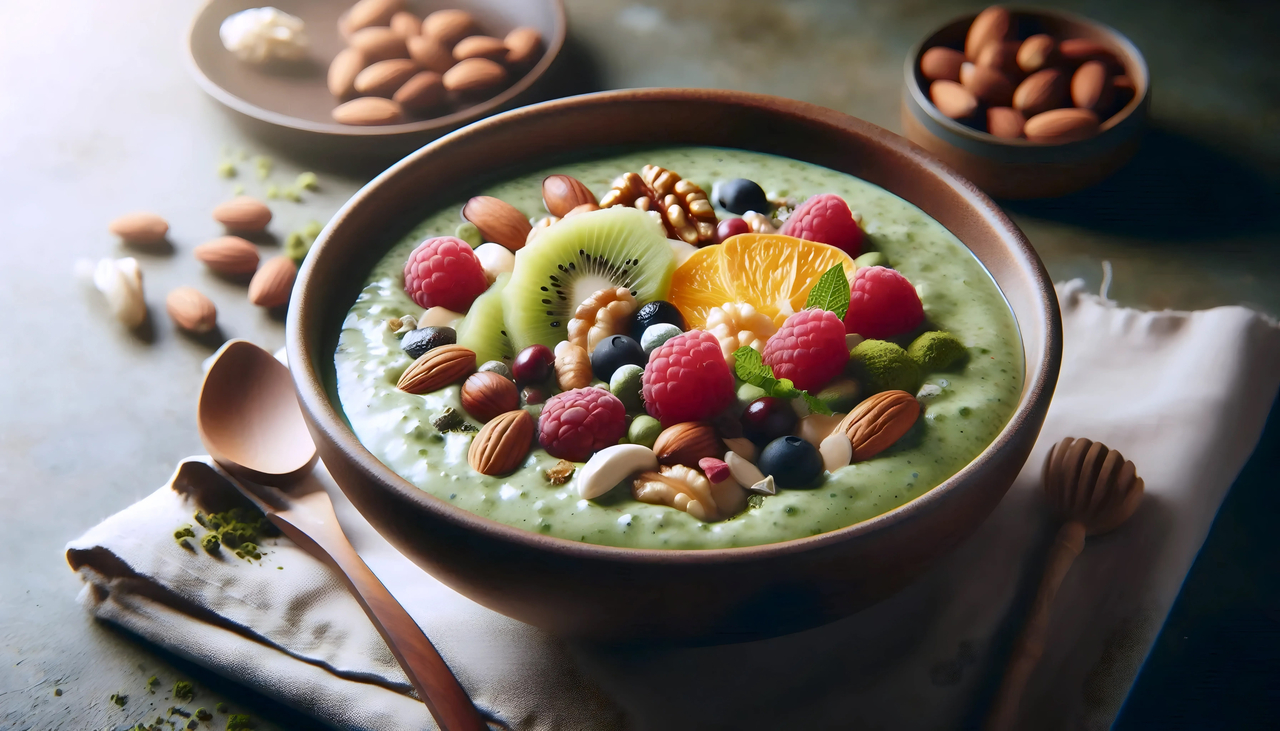
For those who find supplements burdensome or want to build a collagen-friendly diet into their daily routine, the key is to eat enough protein at every meal and pair it with vitamin C-rich foods. Among fruits, yuzu, gold kiwi, strawberries and oranges are particularly high in vitamin C. Among vegetables, paprika, shishito peppers, spinach and bell peppers are good sources.
Kim advised that "eating a balanced mix of protein-rich foods — such as fish, lean meat, eggs, legumes and almonds — alongside fruits and vegetables high in vitamin C can support collagen production and overall skin health."
gorgeous@heraldcorp.com