July sees most food poisoning cases in recent 5 years
Salmonella can contaminate both eggshell and interior
Wash hands and utensils, cook eggs fully to stay safe
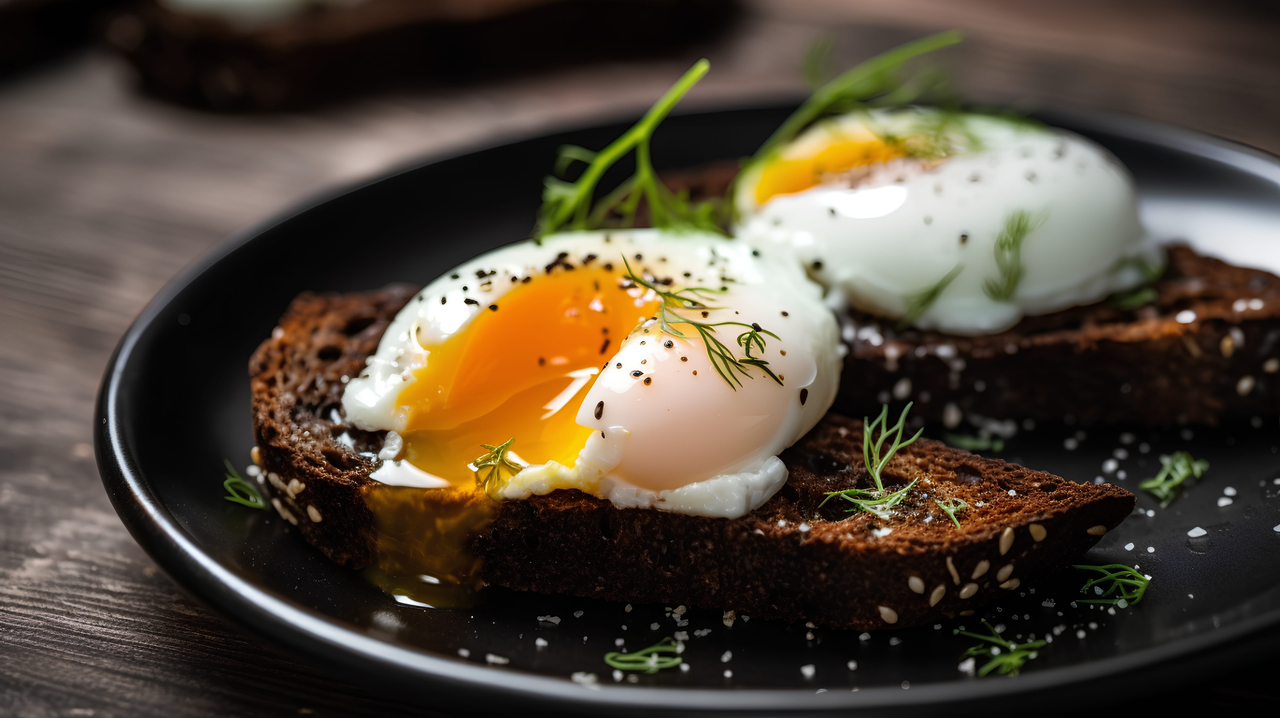
"I hate dry, fully cooked eggs — give me sunny-side up."
Many people prefer the soft texture of a runny egg, but eating eggs fully cooked is the safer choice in summer. Children, the elderly and people with weakened immune systems need to be particularly careful, given the risk of salmonella food poisoning.
More than half of all annual food poisoning cases occur between June and September, when temperatures and humidity are high. According to the Ministry of Food and Drug Safety, 57 percent of food poisoning patients recorded over the past decade (2015–2024) — out of a total of 63,979 — fell ill during those four months.
July is the single worst month. Over the past five years (2020–2024), July food poisoning cases consistently outnumbered those in August.
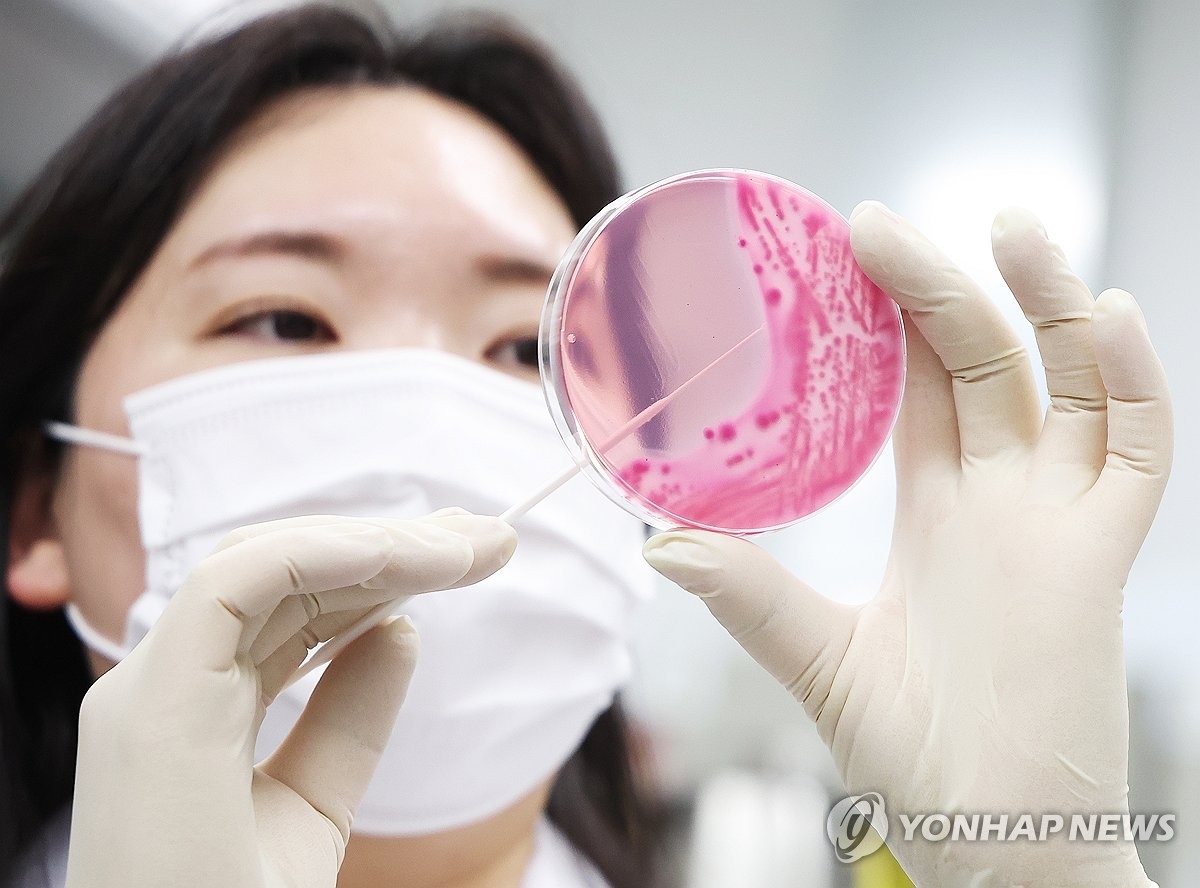
Salmonella is the leading culprit. Cases caused by the bacteria have consistently increased over the same period, and in 2024 salmonella overtook norovirus as the top cause of food poisoning in Korea. Infection typically causes abdominal pain, diarrhea, fever and vomiting. In people with compromised immune systems, it can trigger severe complications such as sepsis.
Chickens are the most common source of infection. Salmonella living in a chicken's intestines can reach the surface of an eggshell through feces. When an egg is cracked open, the bacteria can enter the contents. Cross-contamination is also a risk: touching other ingredients or kitchen tools with hands that have handled eggs can spread the bacteria.
Salmonella can also be found inside the egg itself — in the yolk and white. If a hen's ovaries or oviduct are infected, the egg is contaminated from the start. For this reason, it is best to avoid eating raw or soft-boiled eggs during summer.
In fact, there have been a string of suspected food poisoning cases linked to egg garnish strips used in kimbap, naengmyeon and other dishes. One confirmed case involved a death at a naengmyeon restaurant in Gimhae, South Gyeongsang Province, in 2022. The Ministry of Food and Drug Safety announced that salmonella had been detected in the egg garnish placed on top of the naengmyeon.
Koreans eat nearly one egg a day. According to Ministry of Agriculture, Food and Rural Affairs statistics, per capita annual egg consumption in 2024 was 348 eggs, or 0.95 eggs per day — more than four times the 77 eggs consumed per person in 1970. Because eggs are such a daily staple, careful attention from purchase to preparation is essential to prevent salmonella.
According to the Ministry of Food and Drug Safety, when buying eggs, choose ones that have been refrigerated and have uncracked shells. Check the laying date as well.
The safest cooking method is to heat eggs thoroughly. Salmonella is sensitive to heat, so eggs should be cooked until the center reaches 75 degrees Celsius and held at that temperature for at least one minute.
Because cross-contamination is a significant risk, wearing disposable gloves when handling eggs is advisable. After touching eggs, wash hands and kitchen tools such as cutting boards and knives with detergent.
What about washing eggs before cooking? Rinsing at home can remove surface contaminants such as dust and feces, but it does not eliminate all salmonella. Washing eggs in advance and then storing them can in fact damage the protective coating on the shell, making it easier for bacteria to penetrate.
The Ministry of Food and Drug Safety recommends three preventive measures: storing eggs in the refrigerator to inhibit bacterial growth, washing hands and utensils to prevent cross-contamination, and cooking eggs thoroughly before eating.
gorgeous@heraldcorp.com