Blanching or massaging with olive oil tames the bitterness and tough texture; the leafy green works in everything from pasta sauce to dips
Kale is often called the "king of vegetables" — a nickname that speaks to its dense nutritional profile. Unlike spinach, however, it rarely makes it into everyday meals. The reason is simple: its distinctively bitter taste and tough, chewy texture put many people off. Cook it instead of eating it raw in salads or green juices, though, and the experience changes considerably. Blanching or stir-frying softens both the texture and the flavor.
A dark leafy green, kale belongs to the cruciferous family alongside broccoli, cabbage and cauliflower. Its key nutrients include beta-carotene, vitamins C and K, calcium and potassium.
One compound worth noting is glucosinolate, a sulfur-containing plant chemical found in cruciferous vegetables that gives kale its characteristic bitterness and pungent aroma. Research is ongoing into its role in regulating inflammation and its potential anticancer properties.
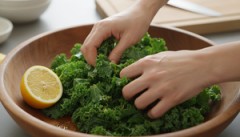
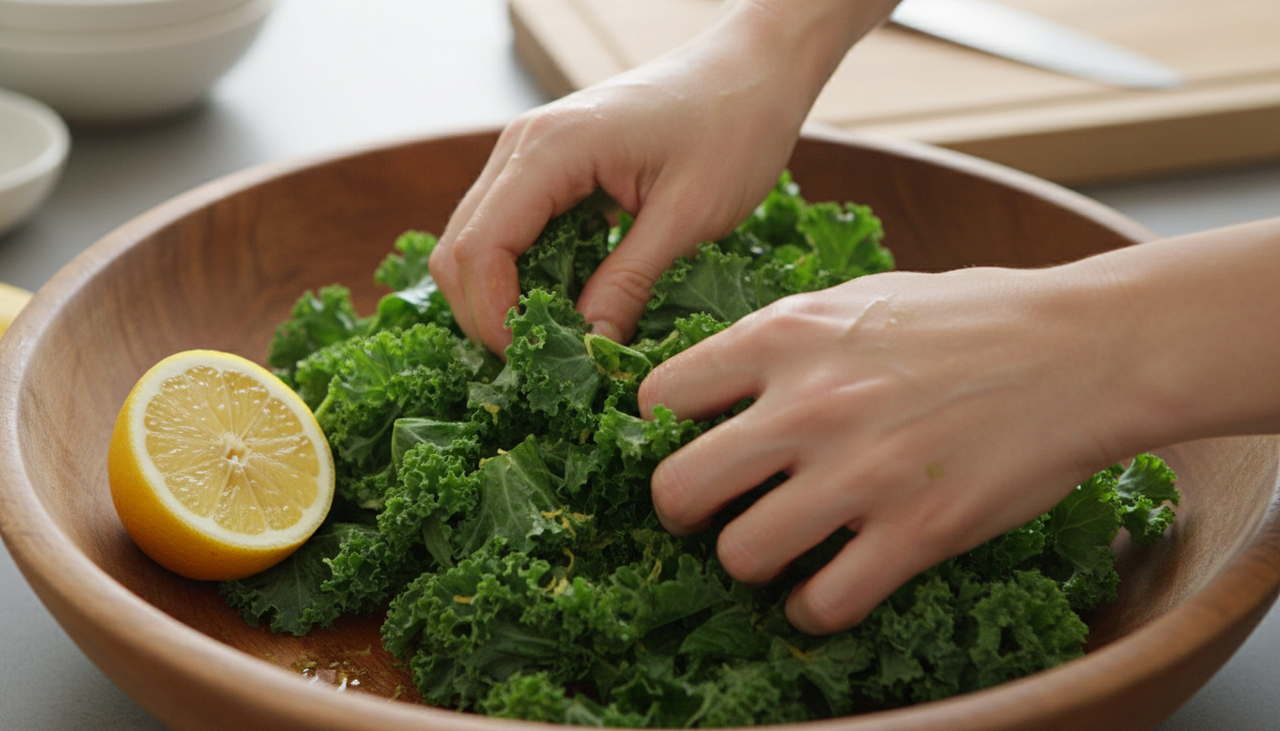
Kale leaves are fairly firm. For those who find the chewy texture off-putting in a salad, olive oil offers a simple fix: drizzle it over the leaves and massage for one to two minutes, and the kale softens noticeably.
Another option is to blanch the leaves in boiling water for about a minute, then transfer them to an ice bath. Blanching softens the leaves and reduces some of the bitterness.
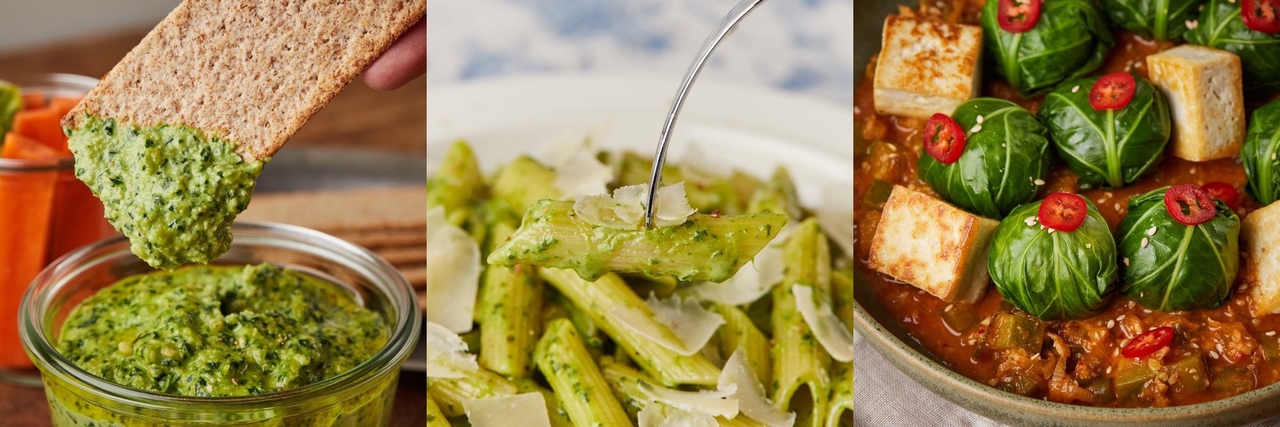
Good home-cooking options include garlic kale stir-fry, kale ssambap (rice wrapped in kale leaves), crispy kale chips and kale pesto for use in Western-style sauces.
Garlic kale stir-fry is one of the easiest dishes to make at home. Heat olive oil in a pan, add two cloves of minced garlic and cook for one to two minutes until softened. Add half a cup of water or broth along with the kale, cover and cook for five minutes. Season with herbs and spices to taste.
Like perilla or squash leaves, kale can also be used to make ssambap. Blanch the leaves, place a scoop of rice in the center and roll them up, then serve with anchovy doenjang paste on the side. It comes together quickly enough for a busy morning and is easy on digestion.
For Western-style dishes, a kale dip made in advance can accompany a range of foods. Blend kale with cashews, lemon juice, garlic, salt, pepper, Parmesan and olive oil until smooth. Serve with crackers, vegetable sticks or bread. The dip keeps in the refrigerator for up to two weeks.
Kale also works well in a cream pasta sauce. Heat olive oil in a pan, add garlic and onion and sauté. Pour in heavy cream, blended kale and chicken stock, then simmer over medium heat for two to three minutes to produce a pale green kale cream pasta.
For a crunchy snack, kale chips are a satisfying option. Wash the leaves thoroughly, pat them completely dry and remove the stems, then tear into bite-sized pieces. Toss with oil and seasoning and spread in a single layer on a baking sheet. Bake in an oven preheated to 175 degrees Celsius for about 15 minutes.
When cooking with kale, there is no need to discard the stems. Like the leaves, the stems contain fiber and minerals. Chop them finely and add to stir-fries or soups, or use them to make vegetable stock.
gorgeous@heraldcorp.com