Hemp seeds, oats, Khorasan wheat and quinoa
Mix into rice or use in salads and porridge
Most grains commonly found on Korean dinner tables — rice and flour chief among them — are high in carbohydrates. Some grains, however, contain a comparatively generous amount of protein. Hemp seeds, oats, Khorasan wheat and quinoa are among the most notable examples.
Mixed into rice or prepared simply as a salad or porridge, these grains offer an easy protein boost. Unlike animal proteins from meat or dairy, they come without the worry of saturated fat, and they also supply dietary fiber and antioxidants.
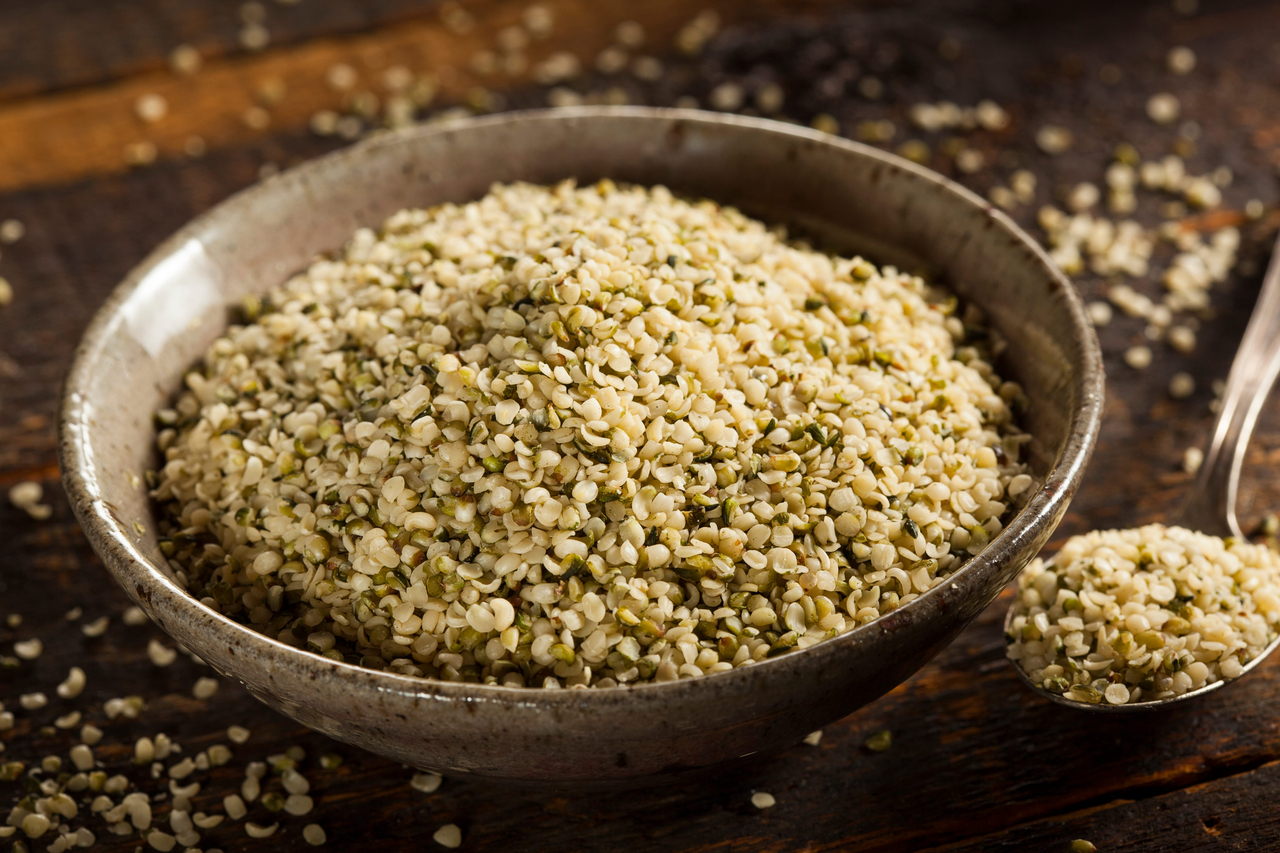
Among major grains — setting legumes aside — hemp seeds rank among the highest in protein content. According to the US Department of Agriculture, 100 grams of hulled raw hemp seeds contain 31.6 grams of protein, roughly 4.5 times the 7.1 grams found in the same amount of white rice.
Hemp seeds are the seeds of the edible hemp plant. Beyond protein, they are rich in unsaturated fatty acids, including the omega-6 fatty acid linoleic acid and the omega-3 fatty acid alpha-linolenic acid. Of the roughly 48.8 grams of fat per 100 grams, 89 percent is unsaturated.
It is precisely this nutritional profile that once made hemp seeds a food trend in South Korea. They have a soft texture and a nutty flavor. Rather than substituting them for grains measure for measure, they work best sprinkled over a finished bowl of rice. At home, a simple hemp seed vegetable rice can be made by stir-frying Karrot and zucchini, placing them over warm rice and finishing with a sprinkle of hemp seeds. They are equally good tossed over a salad.
Flaxseeds, another seed in the same category, contain 18.3 grams of protein per 100 grams. Ground roasted flaxseeds mixed with warm rice, dried seaweed flakes and sesame oil, then shaped into bite-sized balls, make a simple flaxseed rice ball. Finely ground flaxseeds can also be stirred into yogurt or oatmeal, or added in small amounts to sandwich spreads.
Oats and Khorasan wheat both lend themselves well to being cooked with white rice. Oats contain 16.8 grams of protein per 100 grams; Khorasan wheat contains 14.7 grams.
Cooking oats together with rice as a mixed-grain dish helps round out the meal's nutritional value. For a softer breakfast option, oatmeal vegetable porridge — made by simmering oats with finely chopped vegetables — is a good alternative.
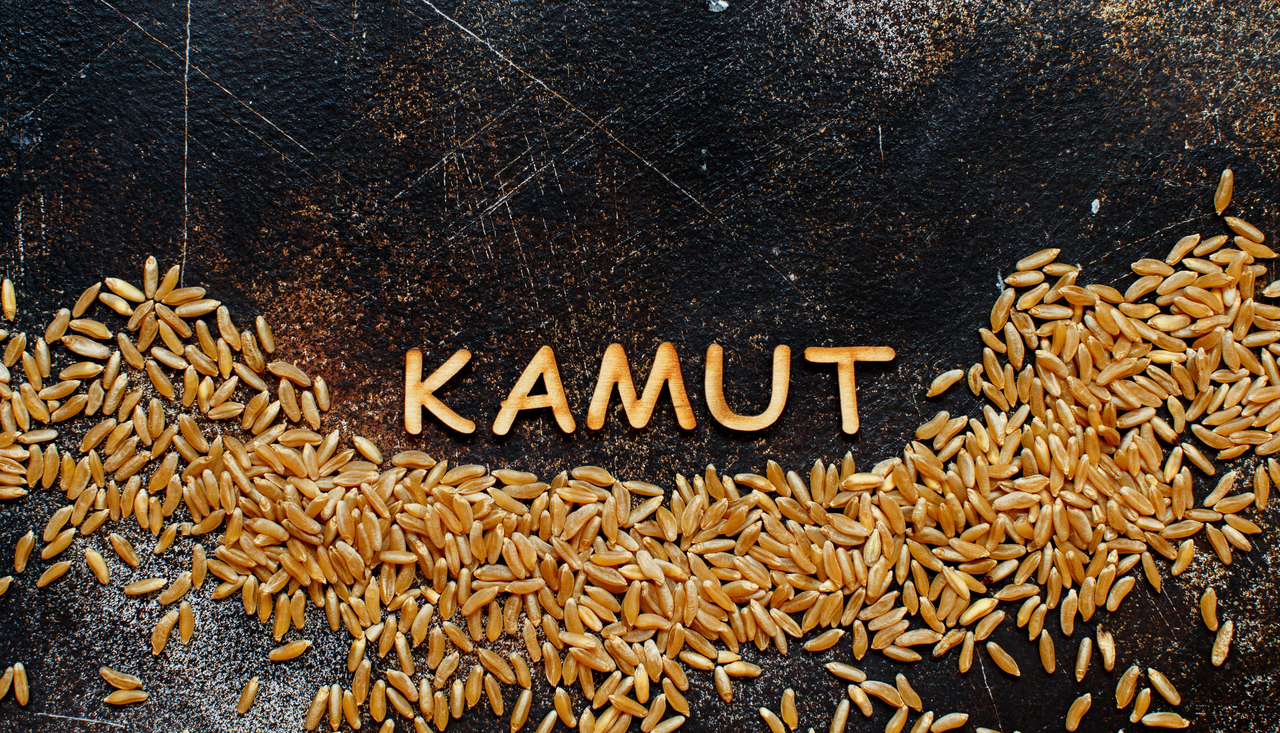
Khorasan wheat is an ancient variety of wheat originating in West Asia. The name is sometimes used interchangeably with Kamut, though Kamut is a registered trademark applied only to Khorasan wheat that meets specific standards, including organic cultivation. Khorasan wheat also works well in sautéed mushroom dishes — simply stir-fry it with onions and mushrooms in olive oil and season with salt and pepper.
Quinoa is another small-grained crop with a relatively high protein content, at 14.1 grams per 100 grams. It is particularly well suited to salads: cook and cool the quinoa, toss it with cucumber and tomato, and dress with olive oil and lemon juice. It is an easy way to add a grain to an otherwise all-vegetable salad.
Amaranth also offers 13.5 grams of protein per 100 grams and makes a delicious soft porridge. It pairs particularly well with kabocha squash — combine amaranth and diced kabocha in water and simmer until tender for a simple amaranth-kabocha porridge.
gorgeous@heraldcorp.com