Pickles, vinegar, yuzu and kimchi ride the sour wave
Fermented foods, SNS buzz and Gen Z curiosity drive the trend
"Every time I discover a new sour flavor, I get excited."
Sour-flavored content is multiplying across social media. From tart grapes to pickle-flavored potato chips, vinegar drinks and kimchi, sour has emerged as a flavor to watch in the food and beverage markets of the United States and Europe.
Global market research firms and international media have also flagged sour as a rising trend. Market research firm Mintel noted that sour flavors are standing out in Britain's new soft drink launches this year.
Food media outlets have similarly reported on the rise of sour. Coverage describes a broadening arc — from sour candy to vinegar-based drinks and savory dishes. Earlier this year, US food and beverage outlet Food Drink Life reported that sour flavors are gaining ground on restaurant menus and in packaged foods.
US retailer Whole Foods Market also named "Very Vinegar" as one of its food trends for 2026. Describing it as "a modern renaissance of vinegar," the retailer said the ingredient is expanding its reach from home cooking into restaurant cocktails and condiments.
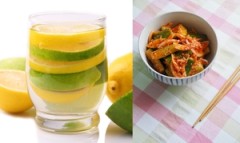
Beyond vinegar, pickles, yuzu and kimchi are among the sour foods drawing attention. Pickles in particular stand out for their versatility. Once a side item tucked into burgers, pickles are now being commercialized as a standalone flavor. A prime example is the pickle juice sold by British drinks company The Pickle House, used in cocktails, mixed with whisky or poured over salads as a dressing.
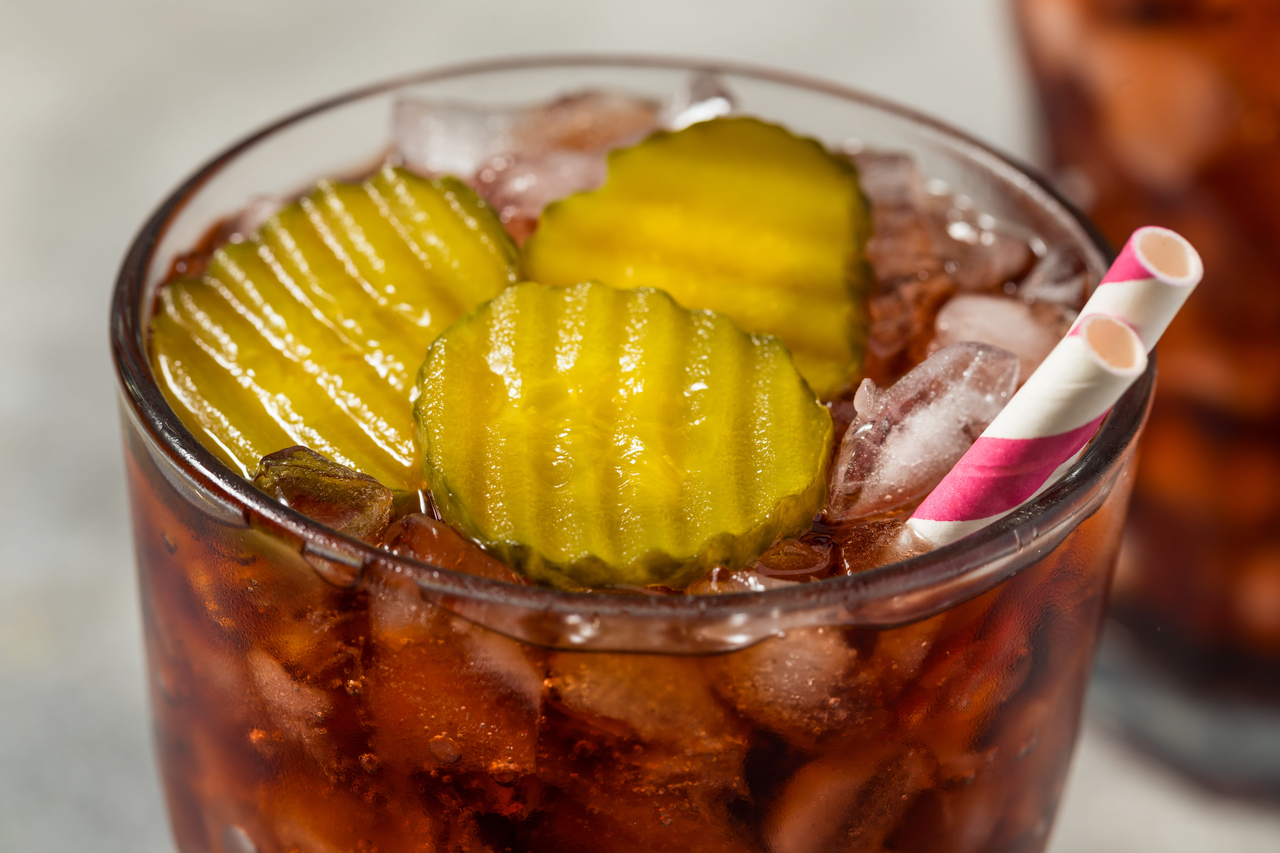
An unusual combination — dropping pickle slices or pickle brine into carbonated drinks — has also gone viral on social media. British pop star Dua Lipa drew attention after being seen adding pickles and jalapeño brine to her Diet Coke. In the US, a trend of mixing pickle slices into Dr Pepper spread widely on TikTok.
Pickle-flavored chicken and pizza have followed in quick succession. According to a report this year by US food market research firm Datassential, the appearance of dill pickle toppings on American pizza menus rose 73 percent over the past four years.
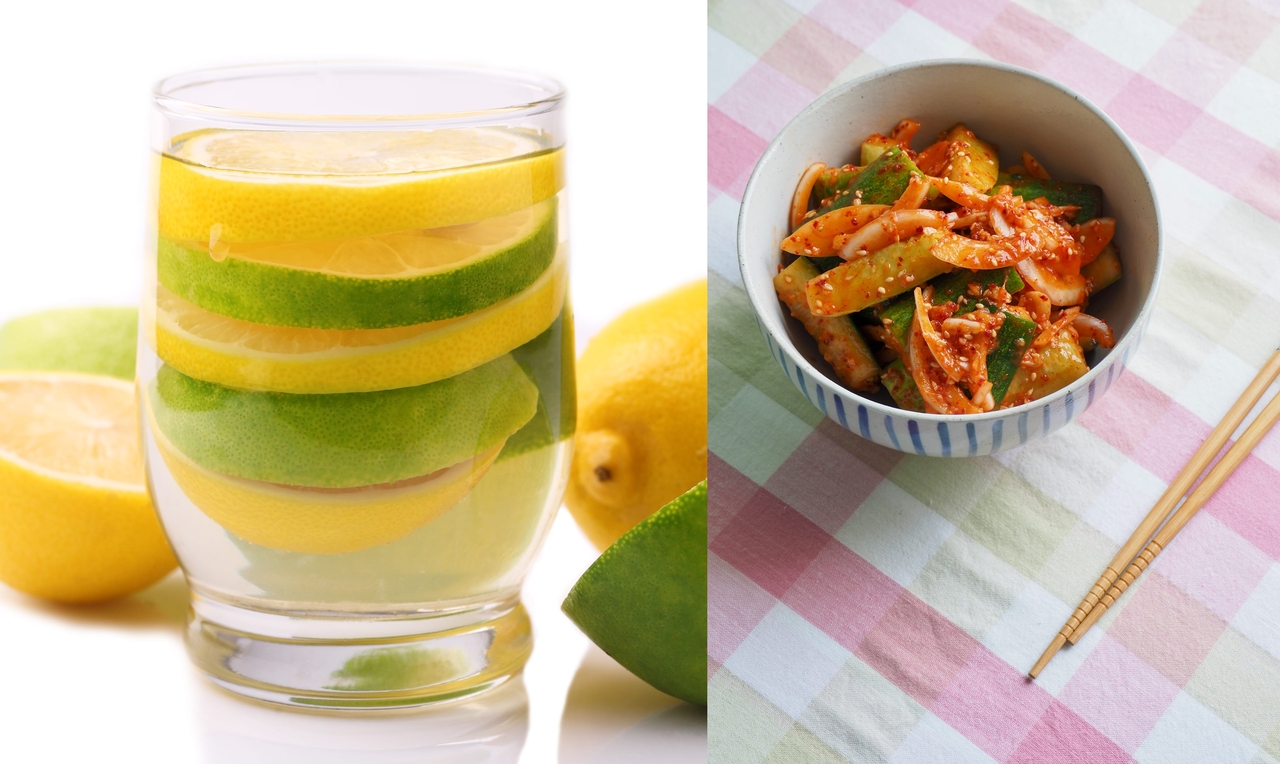
Yuzu, with its tangy citrus profile, is also gaining recognition. French syrup maker Monin named yuzu its flavor of the year for 2025 in its trend report. US foodservice trade publication Nation's Restaurant News noted that yuzu is being used in alcoholic and non-alcoholic drinks, sauces and desserts.
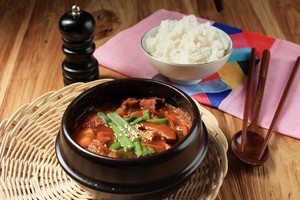
Kimchi exports are also growing year after year. According to Korea Customs Service trade statistics, kimchi exports last year reached 47,735 tons — a record high for the third consecutive year.
The spread of sour flavors is intertwined with the broader wellness trend. Key drivers include the probiotics found in fermented foods such as kimchi, the vitamin C in yuzu, and the expected benefits of vinegar in moderating blood sugar spikes.
Generation Z's curiosity about new flavors is another factor. In its 2025 trend report, US food intelligence firm The Food Institute found that "Generation Z shows a stronger preference for adventurous tastes — sour, bitter, salty and spicy — than any previous generation."
SNS posts in particular have served as a conduit for the sour trend. Content showing people wincing as they eat intensely sour frozen fruit triggers the same curiosity and competitive spirit as spicy-food challenges.
"Sour flavors are expanding across beverages, snacks and cooking through a wide range of ingredients — pickles, yuzu, fermented foods and more," a food industry official said. "Products that blend sour with other flavors to satisfy the curiosity of younger consumers seeking new tastes will draw even greater attention going forward."
gorgeous@heraldcorp.com