Named a 'flavor of 2025' in the US and France
Uses expand to ice cream, sauces and beyond
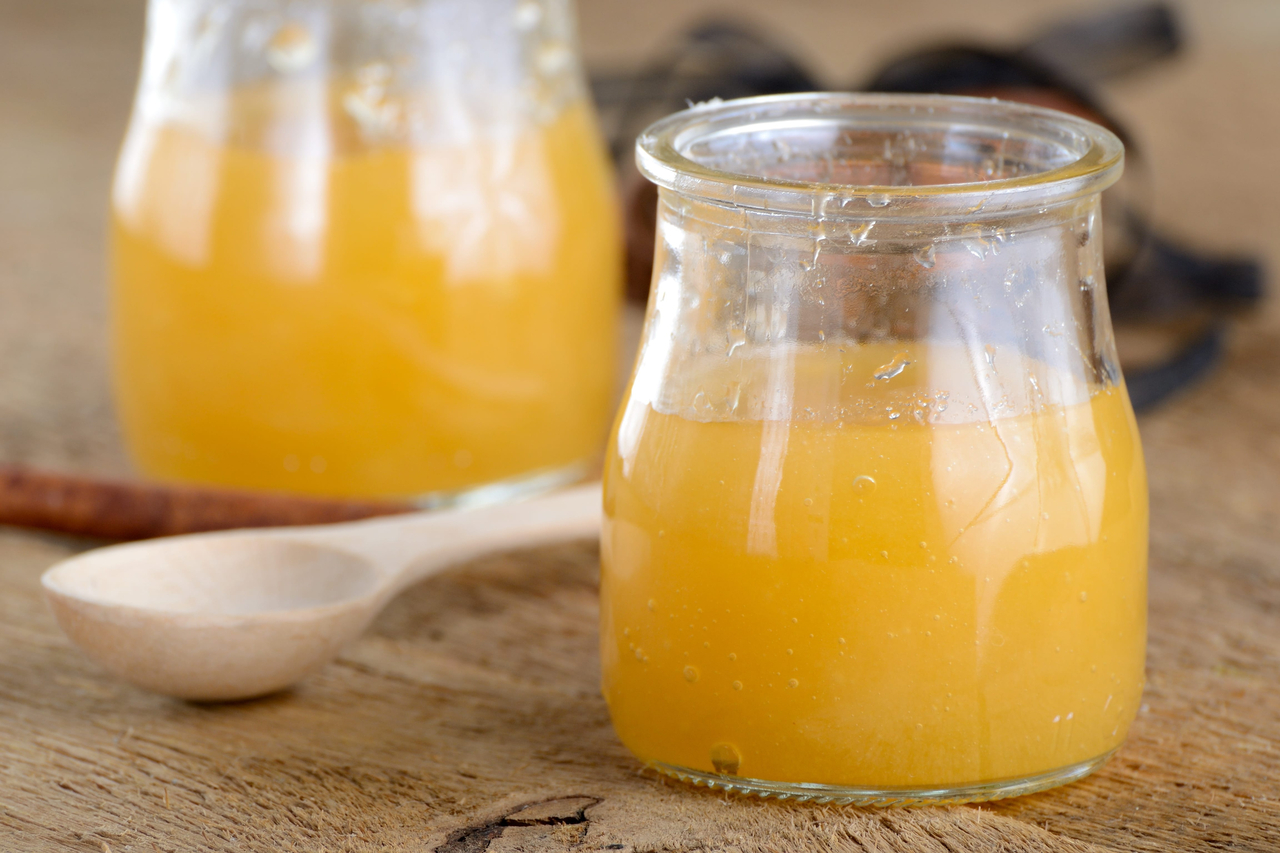
Fragrant yellow yuzu is hitting its peak season. Long used mainly as an ingredient in winter yuzu tea, the citrus fruit has been finding its way into a growing range of applications at home and abroad — from desserts and drinks to sauces.
Overseas, yuzu has been drawing attention as an ingredient to watch since last year. US food distributor Baldor said in its 2026 trend report that yuzu sales in the United States had posted triple-digit growth over the past several years. The company said uses have expanded well beyond juice, puree and sparkling water to include yuzu-ade, yuzu sauce and kombucha.
French syrup maker Monin also named yuzu its flavor of 2025 in its trend report. Monin said yuzu has moved beyond simply substituting for lemon or lime and has emerged as a central flavor in its own right. The company described yuzu's taste as complex — evoking mandarin, grapefruit and lemon — and highlighted its versatility in cocktails, teas and cooking.
As yuzu gains traction in global food markets, its uses are also broadening domestically, particularly in sauces. Yuzu dressing is a prime example, pairing well with seafood salads and roasted vegetables.
A basic yuzu dressing calls for two tablespoons of yuzu juice, three tablespoons of olive oil, one teaspoon of soy sauce and honey, all mixed together. A sesame-yuzu dressing — made by blending three tablespoons of whole sesame seeds, two tablespoons of water, one tablespoon each of yuzu marmalade, soy sauce, sugar and vinegar, and a pinch of pepper — pairs particularly well with soft tofu salad.
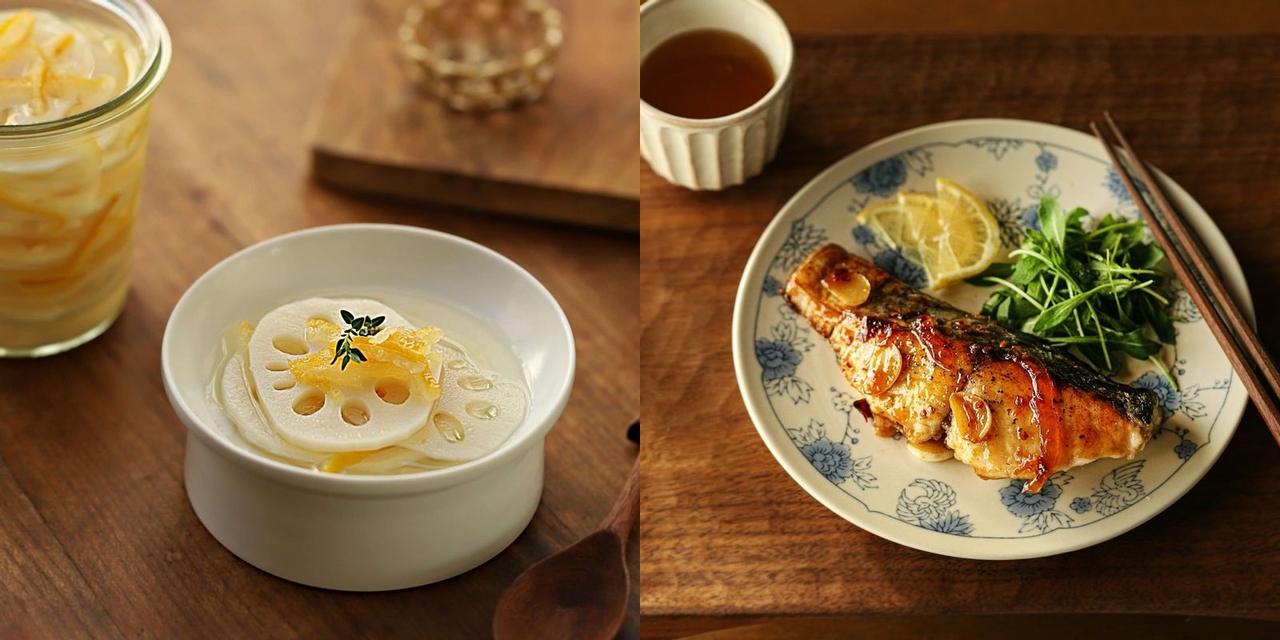
In autumn, yuzu works well in braised dishes made with seasonal Spanish mackerel and lotus root, adding a bright, sweet note. To make braised yuzu mackerel, marinate cleaned mackerel with cooking wine and ground pepper for 10 minutes. Pat dry, coat evenly with starch powder and pan-fry. In a separate pan, bring a soy-based sauce with garlic and peperoncino to a boil. Add the mackerel and simmer over medium-low heat, spooning the sauce over the fish as it cooks. Finish by drizzling the remaining sauce over the top before serving.
For braised lotus root, blanch cleaned lotus root in a pot of water and vinegar for about two minutes, then rinse under cold water and drain. Bring water, vinegar, yuzu marmalade and salt to a boil to make a pickling brine. Place the lotus root in a container, pour the hot brine over it and cover. Let it cool slightly, then refrigerate for at least a day before serving.
Yuzu marmalade also makes a simple addition to unsweetened Greek yogurt. Stir one teaspoon of yuzu marmalade and finely grated yuzu zest into plain Greek yogurt, then top with almonds or prunes.
Adding yuzu to food and drinks can also help boost vitamin C intake. According to nutritional data from the Ministry of Food and Drug Safety, 100 grams of fresh yuzu contains 95 milligrams of vitamin C — more than lemon (52 milligrams) or orange (55 milligrams). Yuzu is also rich in organic acids such as citric acid.
The peel contains more nutrients than the flesh. Vitamin C and antioxidants such as hesperidin and naringenin are concentrated in the rind, so it is best to wash yuzu thoroughly and use the peel as well.
gorgeous@heraldcorp.com