Freezing only slows microbial growth, not kills it
Replace ice frequently with a fresh batch
Clean ice trays thoroughly and use tongs, not bare hands
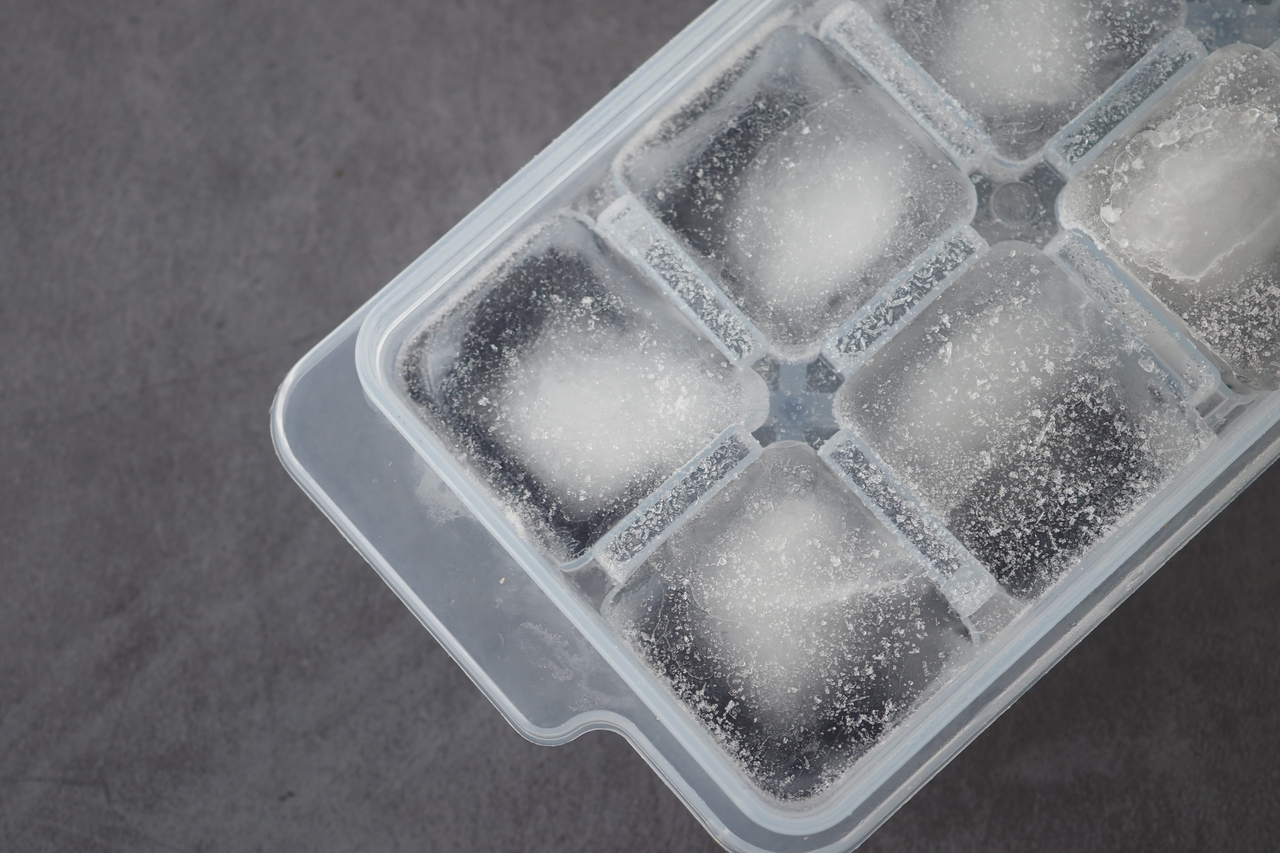
It is easy to assume that ice is hygienic simply because it is frozen. But the quality and safety of ice can vary significantly depending on how it is stored and handled.
The Ministry of Food and Drug Safety recommends replacing freezer ice frequently with a fresh batch, noting that freezing suppresses microbial growth rather than sterilizing water.
Freezing water does not destroy all the microorganisms present in the water or the container. Any microbes that survive in a frozen state can become active again once the ice melts and conditions allow.
According to the Ministry of Food and Drug Safety, norovirus can survive for extended periods even at low temperatures. Listeria is another well-known cold-tolerant bacterium capable of surviving in refrigerated or frozen environments.
Contamination can also occur after ice has already formed. Handling ice with unwashed hands or using dirty tongs or scoops can transfer contaminants directly onto the ice.
Ice trays require particular attention when it comes to cleaning. During the process of removing ice, hands may come into contact with the tray or debris may stick to it. After washing, trays should be dried completely before being put back in use.
Continuously adding new ice on top of old ice is also inadvisable. The more hygienic approach is to empty and wash the storage container before refilling it with fresh water.
Once frozen, ice should be kept in a covered tray or airtight container. Freezers typically hold a wide variety of foods — meat, fish, banchan and more — and odors from these items can easily be absorbed by ice.
Opening and closing the freezer door frequently can cause ice to partially melt and refreeze repeatedly, creating tiny cracks on the surface through which odors and particles from inside the freezer can seep in. Ice stored for a long time also loses flavor as moisture gradually evaporates. Consume ice as soon as possible.
Automatic ice makers built into refrigerators and freestanding ice-water dispensers, both of which have grown in popularity, also require regular maintenance. While they offer the convenience of ice at the push of a button, inadequate upkeep can lead to hygiene problems.
The interior of an ice-making unit stays moist by design, creating conditions where bacteria and mold can multiply. Water supply lines, ice storage bins and dispensing outlets are particularly difficult for users to inspect, allowing contamination to accumulate over time. Filters should be replaced on the recommended schedule, and the ice bin and ice-making compartment should be cleaned regularly.
With ice, contamination matters more than any set expiration date. If ice smells off or shows discoloration or visible foreign matter, discard it rather than consume it.
gorgeous@heraldcorp.com


Most Read Stories





REAL FOODSPREMIUM
MARKET TRENDS
November 23. 2026