Both fruits are low-glycemic and rich in dietary fiber and polyphenols
Eat them whole, with the skin on, before meals for the greatest benefit
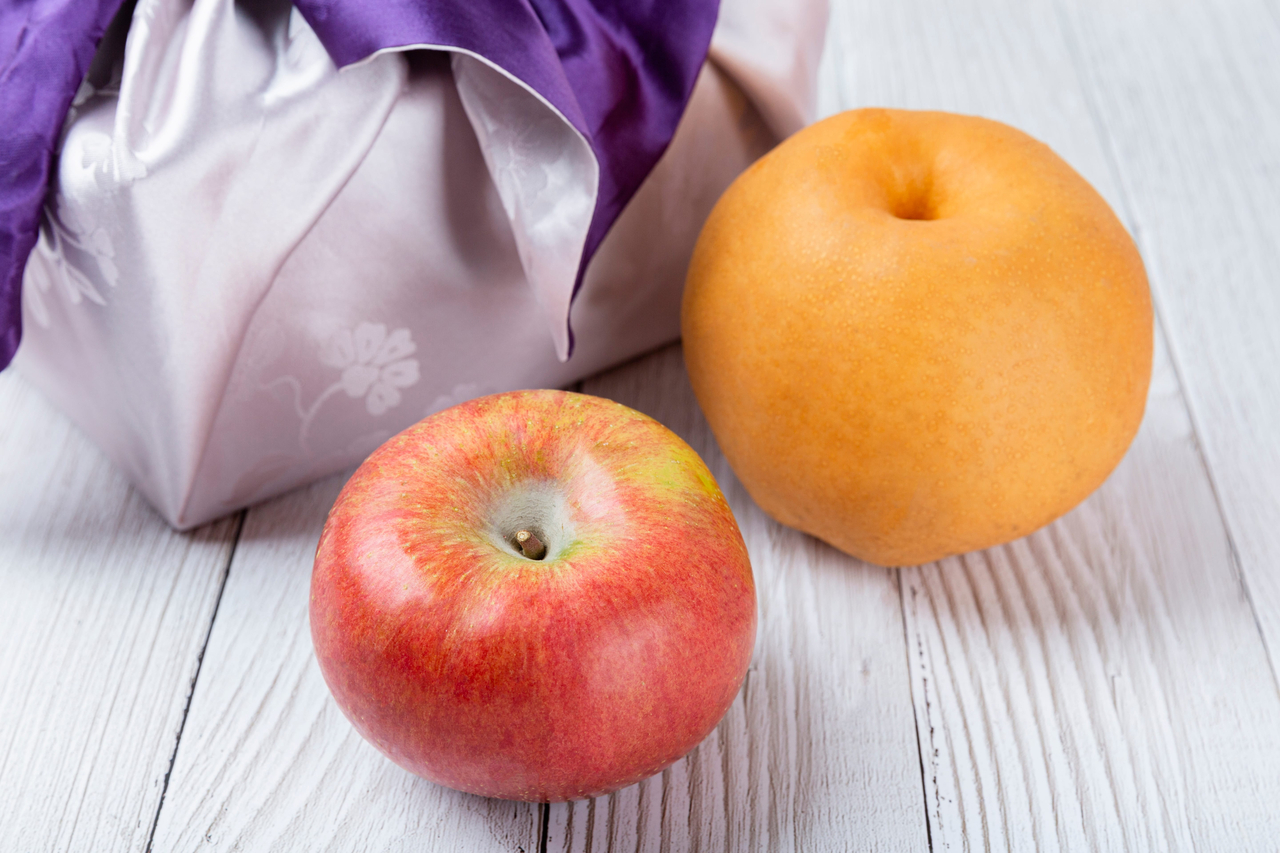
Apples and pears — two of the most popular fruits in Korea — are at their peak in autumn. Both are sweet, yet neither needs to be avoided by those watching their blood sugar. That is because both have a low glycemic index and are rich in soluble fiber and antioxidants that help regulate blood glucose levels.
According to the Rural Development Administration, harvest times vary by variety, but the main cultivars of both fruits come into season around this time of year. For apples, the Hongro variety arrives in early to mid-September, while Fuji apples follow in late October. The Shingo pear, the most widely grown variety, is harvested between mid-to-late September and early October.
Fructose in fruit is widely known to raise blood sugar quickly. However, fruits like apples and pears — which have a relatively low glycemic index and are high in dietary fiber — need not be a concern for blood sugar, provided they are eaten whole and chewed rather than juiced or processed.
Both apples and pears fall into the "low glycemic" category, with a glycemic index (GI) below 55. Data from the Korean Dietetic Association puts the GI of apples at 33.5 and pears at 35.7 — comparable levels.
The combination of dietary fiber and polyphenols found in both fruits also works in favor of blood sugar control. According to nutritional data from the Ministry of Food and Drug Safety, apples contain 1.1 grams of dietary fiber per 100 grams of raw fruit, while pears contain 1.8 grams.
Alongside dietary fiber, antioxidants such as polyphenols can play a supporting role in how the body processes glucose. In apples, polyphenolic compounds — including phlorizin, quercetin and chlorogenic acid — help block SGLT1, the transporter that carries glucose from the intestine into the bloodstream. In pears, chlorogenic acid, catechin, rutin and quercetin work to inhibit carbohydrate-digesting enzymes and slow glucose absorption.
In terms of blood sugar management, apples and pears are broadly comparable. What matters more, however, is how they are eaten — the method of consumption can significantly affect their impact on blood glucose. The most beneficial approach is to eat them before a meal, with the skin on, and to chew them whole.
Turning apples or pears into juice eliminates much of their dietary fiber, which can actually cause blood sugar to rise more quickly. The skin in particular is where fiber and antioxidants are most concentrated, so eating both fruits unpeeled is recommended. This applies to pears just as it does to apples.
Timing also matters. Research suggests that eating an apple before a meal can blunt the sharp rise in blood sugar that follows eating. A study by researchers at China Agricultural University, published in the international journal Foods in 2025, found that participants who ate an apple before a meal of rice had peak blood glucose levels 32 percent lower than those in a control group that drank water instead.
A separate study by the same research team, published in the journal Nutrients in 2024, compared eating an apple mid-morning versus before a meal. In an experiment involving 17 healthy women, eating an apple before lunch stabilized overall blood sugar fluctuation, while eating one mid-morning had no effect on post-meal blood sugar control. The researchers concluded that "only pre-meal consumption reduced the glycemic response to the subsequent meal."
gorgeous@heraldcorp.com