Korea's chopi and sancho, Japan's sansho and China's huajiao all belong to the same genus but differ in flavor and use
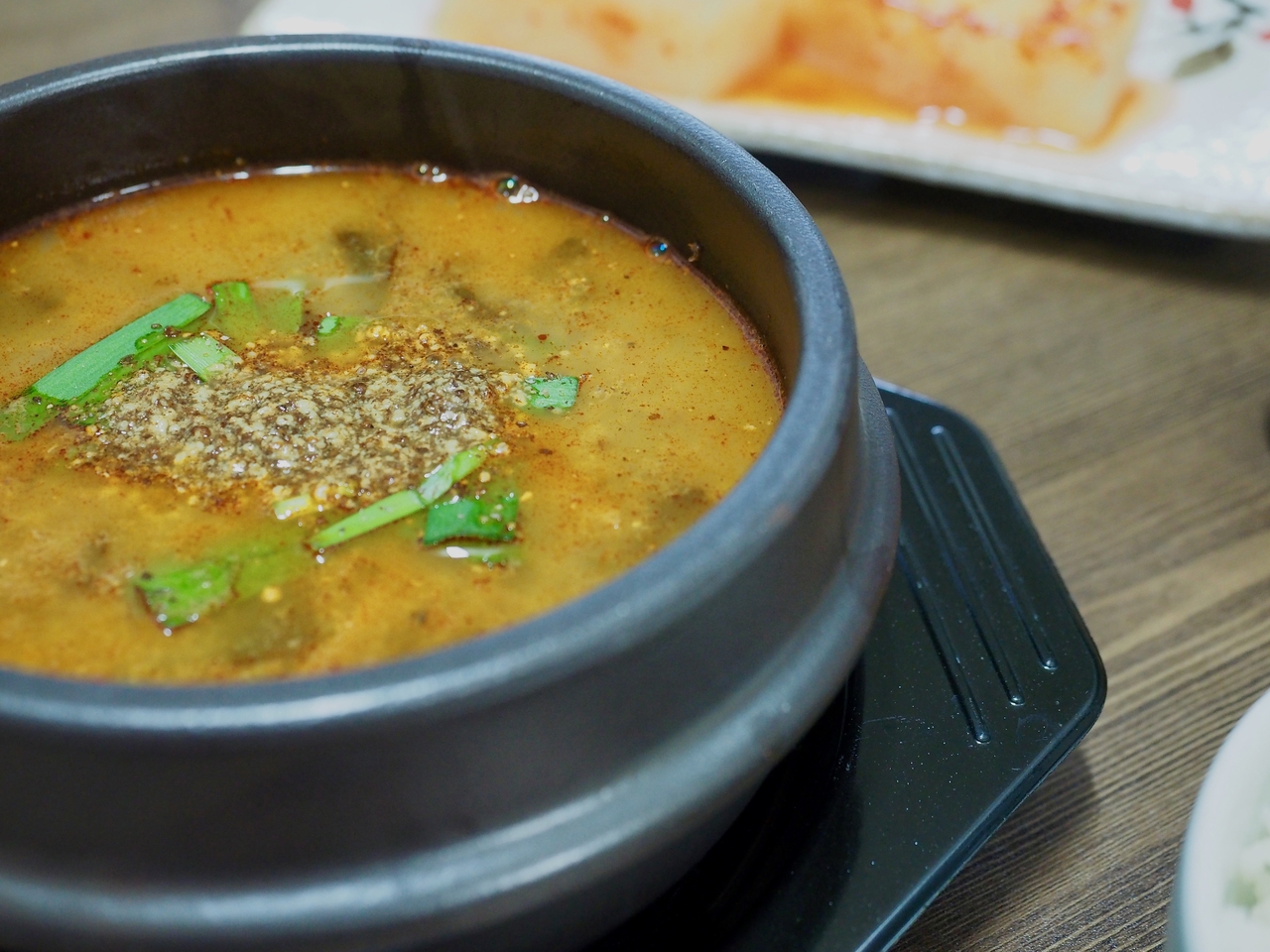
That small jar of powder on the table at a loach soup restaurant is usually called "sancho powder" by diners — but it is most likely chopi powder. Chopi and sancho, Japan's sansho used on grilled eel, and the Sichuan pepper that goes into malatang are all easy to mix up.
According to the Korea Forest Service, chopi is a deciduous broadleaf shrub in the family Rutaceae and the genus Zanthoxylum. The ripe fruit is dried, the outer skin separated and ground to produce chopi powder.
The term "jepi powder," commonly used in everyday speech, is simply a regional dialect name for chopi powder — jepi is the word used in the Gyeongsang provinces.
Sancho is a close relative of chopi but a distinct plant. The National Forest Seed and Variety Center classifies chopi as Zanthoxylum piperitum and sancho as Zanthoxylum schinifolium.
The two also differ in culinary use. Chopi is primarily used as a ground spice sprinkled over freshwater fish dishes such as loach soup, spicy fish stew and raw fish.
Sancho's main use is as an oil. The seeds inside the fruit are rich in oil and are pressed to make sancho oil. The young spring leaves can be added to soups, and the seeds are also used as a flavoring for freshwater fish dishes.
The flavors differ as well. Chopi powder has a citrusy aroma with a relatively strong fragrance and a sharp, tingling bite. Sancho powder is milder. For dishes like loach soup or spicy fish stew where a pronounced aroma is desired, chopi powder is the better choice. Sancho powder suits clear or light broths and fish dishes where you do not want the spice to overpower the other flavors.
Japan's sansho — written with the same characters as sancho — can also cause confusion. Sansho is the same species as chopi and is known in English as Japanese pepper.
In Japan, sansho is sprinkled over grilled eel to reduce the fishy smell of farmed eel and add a fresh, bright note to the rich, fatty dish. It is also used in teriyaki and other preparations.
Sichuan pepper, the spice that goes into Chinese malatang, also belongs to the Zanthoxylum genus in the family Rutaceae — the same family as Korea's sancho and chopi — but is a different species. Sichuan pepper is less a single botanical name than a commercial and culinary term covering a range of Chinese huajiao-type ingredients. Whole Sichuan peppercorns are steeped in hotpot broth, braises and oils to infuse their aroma, while the ground powder is sprinkled on at the end of cooking.
The sensation it produces is nothing like the burning heat of chili peppers. Instead, a numbing, tingling feeling spreads across the tip of the tongue and the lips.
Because chopi, sancho, sansho and Sichuan pepper all carry strong aromas, only a small amount is needed to bring out the best in a dish. Adding too much at once can overwhelm the flavor of the broth and other ingredients. It is best to start with just a pinch or two, taste, and adjust from there.
Chopi powder works well stirred into broth-based dishes such as loach soup and spicy fish stew, while sancho powder can add fragrance to freshwater fish soups and braised fish. A small amount of sancho oil can also be drizzled over pan-fried tofu or seasoned vegetable side dishes. Sichuan pepper is best used as a finishing spice in malatang dishes, stir-fries and sauces.
gorgeous@heraldcorp.com