"Grazing land for cattle is shrinking, and calf prices are rising. Hanwoo cultured from cells sourced in Uiseong can cut carbon emissions by up to 95 percent compared with conventional livestock farming — and we have significantly reduced the cost of cell cultivation."
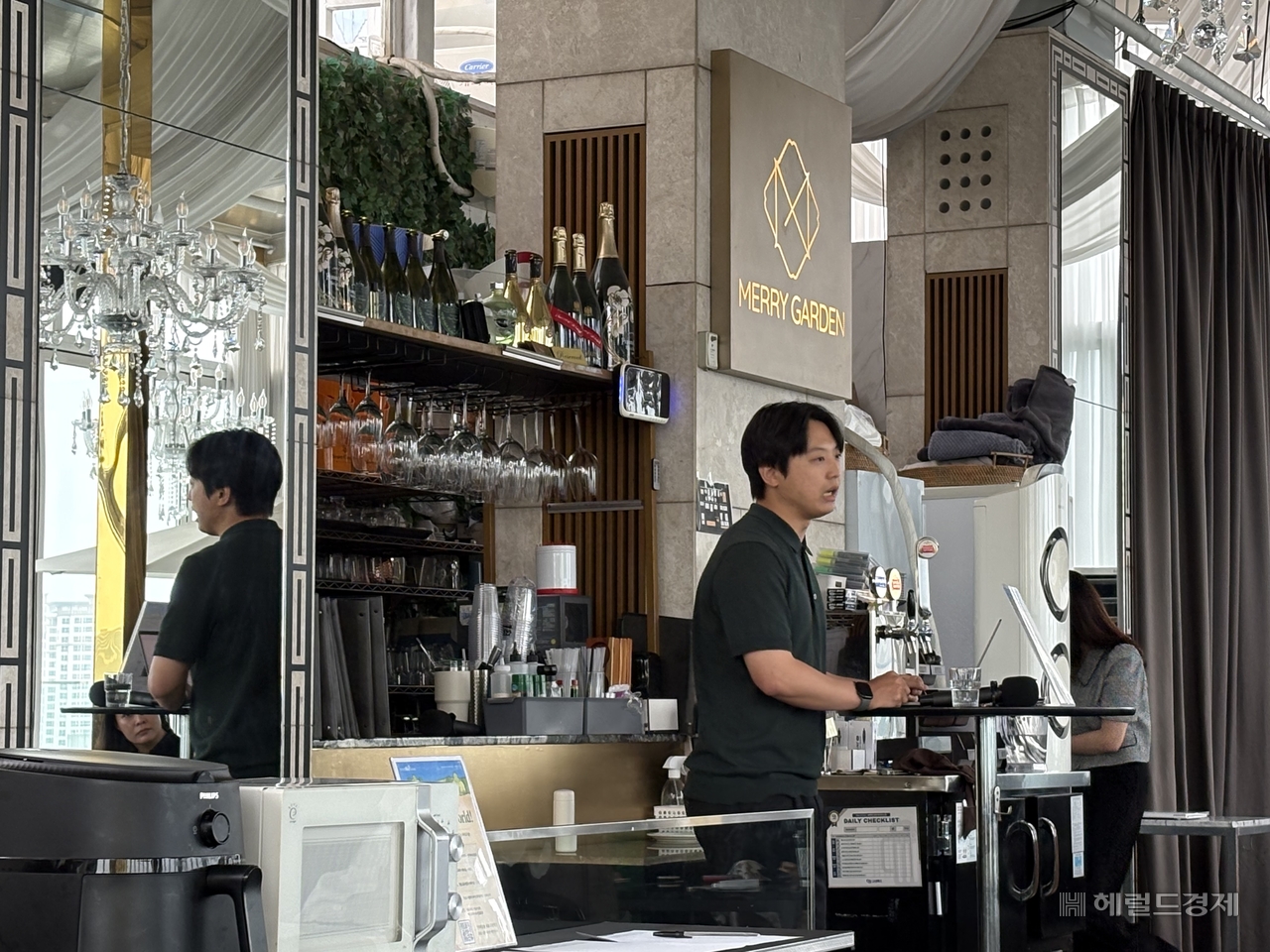
Kim Jun-ho, CEO of SeaWith, made the remarks Thursday at the Biofood Media Day held at The Designers Hotel in Gangnam-gu, Seoul, where he introduced the company's cell-cultured food products.
The event, organized by the Korea Biotechnology Industry Organization, showcased innovation from leading domestic biofood companies and offered a look at how biotechnology is transforming the food industry at a time when sustainable food supply has become a pressing concern.
SeaWith was the first company featured. According to the Korea Cell-Cultured Food Association, SeaWith is the first biotech firm in South Korea to successfully develop cultured Hanwoo beef, using cells derived from Hanwoo cattle raised in Uiseong-gun, North Gyeongsang Province. Uiseong-gun was designated in 2024 as a "regulatory-free special zone for cell-cultured food," an area where some regulations have been eased to lay the groundwork for commercializing cell-cultured food products.
SeaWith attaches cells obtained from Uiseong Hanwoo to a seaweed-based (alginate) scaffold, then supplies a proprietary culture medium to promote cell growth and produce protein. The company has built the entire process in-house — from cell acquisition to scaffold development, culture medium formulation and cultivation.
Cell-cultured food has drawn attention as a future alternative protein source not only for its potential to reduce carbon emissions from livestock farming, but also because it eliminates concerns about animal disease outbreaks and the need for slaughter. "Starting with Singapore, which approved the sale of cultured chicken by Eat Just in 2020, cultured meat sales have since been approved in the United States, Israel, Australia and the United Kingdom," Kim said.
In South Korea, the Ministry of Food and Drug Safety included "cell-cultured processed food" as a new food category in a proposed partial revision to food standards and specifications pre-announced on June 30. Finalization of that notice will mark the starting line for commercializing cell-cultured food in the country, as a product must be listed in the Korean Food Standards Codex before it can be sold on the market as a "food."
"There are very few countries in the world that create an entirely new food category as a regulatory pathway, as South Korea is doing," Kim said. "This means domestic cultured meat companies can enter the market ahead of those in other countries."
On the longstanding challenges of high costs and mass production, Kim said the company had sharply reduced production costs through automated cell-separation processes and the development of plant-derived culture media. Once a production factory scheduled for completion by the end of next year is finished, he added, the company will have an annual production capacity of 50 tons.
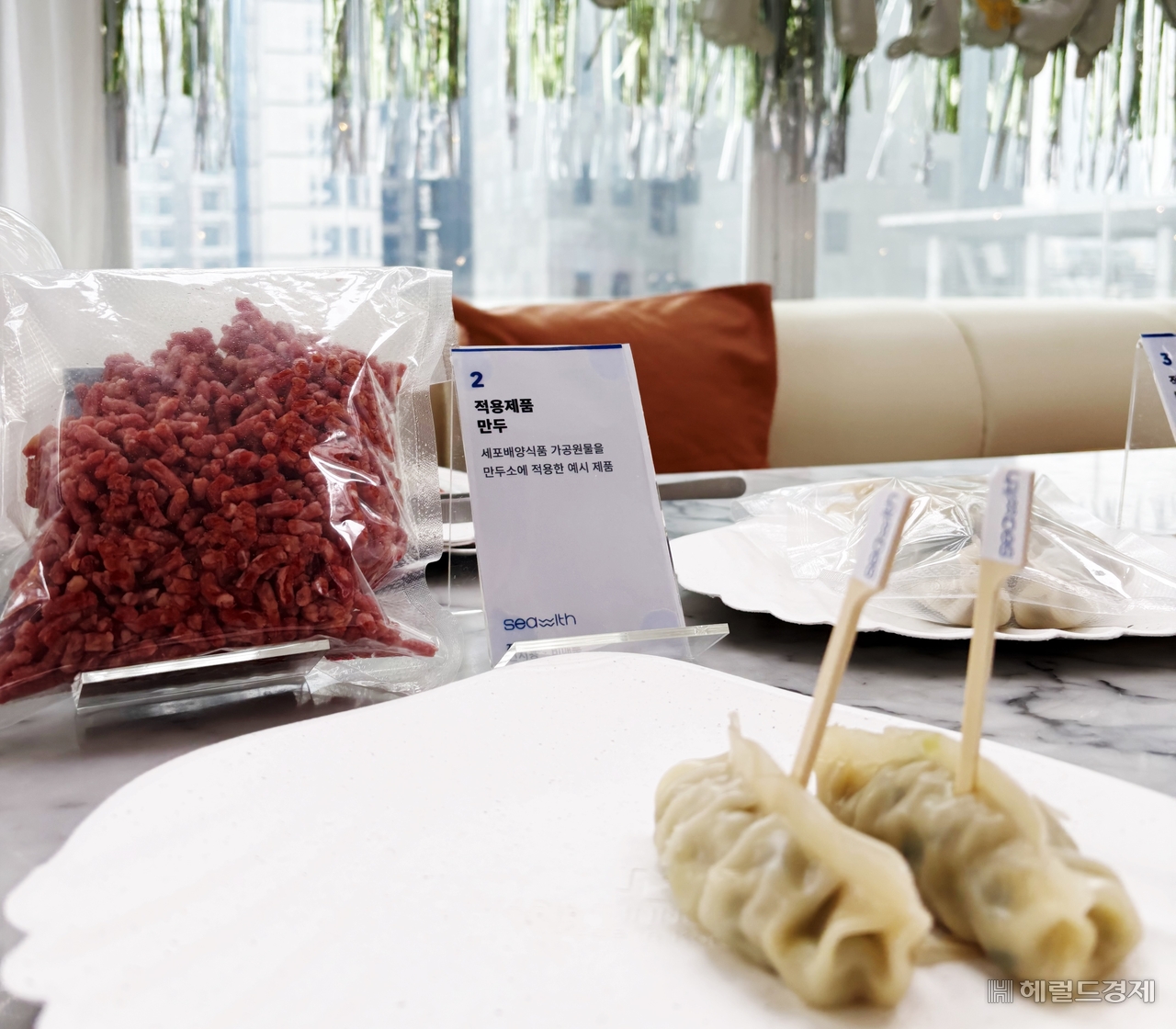
If Ministry of Food and Drug Safety approval enables market distribution by the end of this year, SeaWith plans to launch its Hanwoo cultured meat in ground-meat form. The company is also preparing to release cultured-meat mandu and meatballs under its own brand.
GreenGene was highlighted as a case study in developing future crops through precision breeding. The biotech startup specializes in precisely editing the genes of plant organelles such as chloroplasts and mitochondria. Unlike GMO technology, which introduces foreign genes into a plant, GreenGene's approach edits genes already present within the plant's chloroplasts to develop plant materials with improved productivity and nutritional profiles — for example, enhancing the essential amino acid composition of plant protein to exceed that of eggs.
"The era has arrived when we can create new crops by modifying specific genes," said Lee Jeong-eun, CEO of GreenGene. "In Europe, gene-edited crops are evaluated as not significantly different from conventionally bred plants."
On the future of functional biofood and Korean probiotics, Cell Biotech — one of South Korea's first-generation biotech companies — presented its overseas expansion. Probiotics are the earliest commercialized segment within functional biofood. Jo Min-gi, a director in Cell Biotech's planning and coordination division, said the company had entered 55 countries worldwide on the strength of its proprietary Korean probiotic strains and dual-coating technology, and had ranked first in domestic probiotic exports for 13 consecutive years since 2013.
Gu Ok-jae, chair of the operating committee of the Bio Future Food Industry Council, said technology development alone is not the answer in an era of climate crisis demanding a new food system. "Regulatory reform, investment attraction, inter-company cooperation and entry into global markets must all happen together for real industrialization to follow," Gu said.
gorgeous@heraldcorp.com