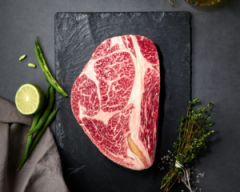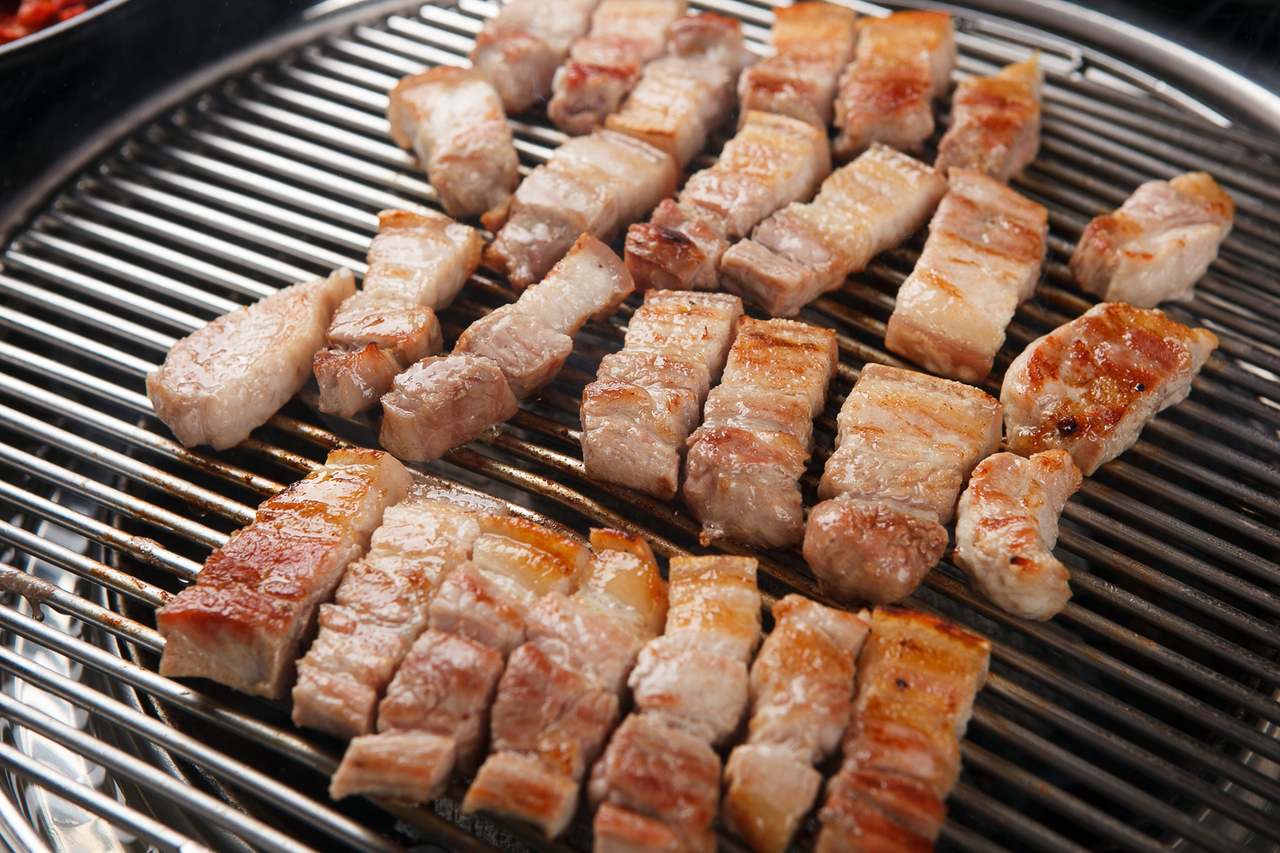
The flavor of samgyeopsal — Korea's beloved grilled pork belly that has won fans around the world — is the product of a complex process rooted in meat science. Every cut on the table represents months of accumulated effort, and it all begins with the breeding pig.
According to Sunjin, a livestock and food company, the color, marbling, and balance of fat and lean meat in pork are all tied to the genetic traits of the breed.
Domestic pork production in Korea typically relies on a crossbreeding system combining Yorkshire, Landrace and Duroc pigs. Yorkshire and Landrace excel in reproductive performance and growth capacity, while Duroc is prized for its contribution to meat quality and intramuscular fat development. All three breeds were originally imported from abroad.
However, a pig that performs well overseas does not necessarily deliver the same results in Korea. The country's hot and humid summers, farm environments and husbandry practices all differ significantly. Breed improvement is a lengthy process that involves monitoring whether pigs grow healthily in local conditions, whether farm productivity remains stable, and whether the animals ultimately yield meat with a well-balanced ratio of fat to lean.
Sunjin traces its roots to the Cheil Breeding Farm in the 1970s and has spent more than 50 years selecting and refining breeds suited to the Korean environment. At its farms in Danyang and Taean, the company breeds its own high-litter sows and Duroc boars, building up superior genetics for supply to farms. In 2014, the Food and Agriculture Organization of the United Nations registered Yorkshire Sunjin and Landrace Sunjin as distinctly Korean pig breeds.
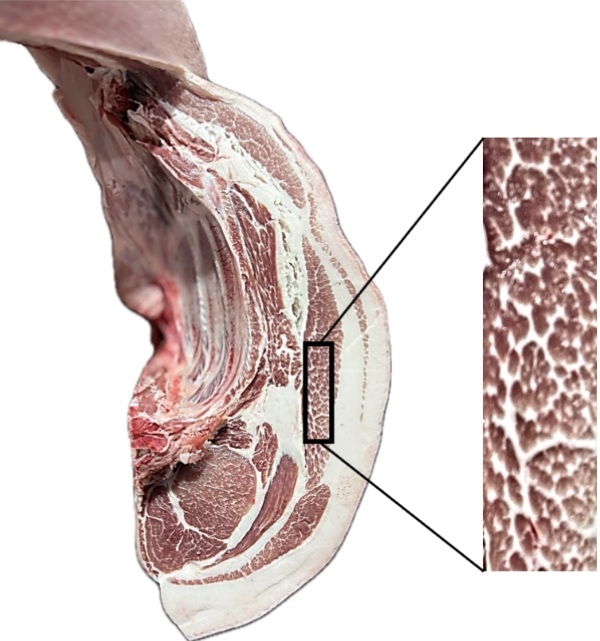
With Korean grilling culture in mind, Sunjin has focused its breeding program not on maximizing fat content alone, but on achieving a balance between fat and lean meat. Its Sunjin Pork Handon Duroc samgyeopsal averages marbling content of more than 10 percent.
Producing pork suited to Korean food culture also requires nutritional planning tailored to each stage of growth and systematic feeding management. Pigs develop bone and muscle first, then accumulate fat during the fattening phase — fat that directly influences the rich, savory flavor and moist texture of the finished meat.
"The nuttiness and juiciness a consumer tastes in a single slice of pork carry within them a long journey — finding the right breed for the environment, refining the balance of fat and lean, and managing nutrition and health throughout the growth process," a Sunjin official said. The official added that differentiation in meat quality is only achieved when the breed's strengths are drawn out by feed, and when farm environment and nutritional management work together as a system.
gorgeous@heraldcorp.com