Nuts are widely regarded as one of the best snacks for people trying to lose weight — yet they are far from low in calories. The reason they can still support weight loss and maintenance comes down to two things: their ability to sustain satiety and the metabolic environment they create, which is favorable for shedding weight.
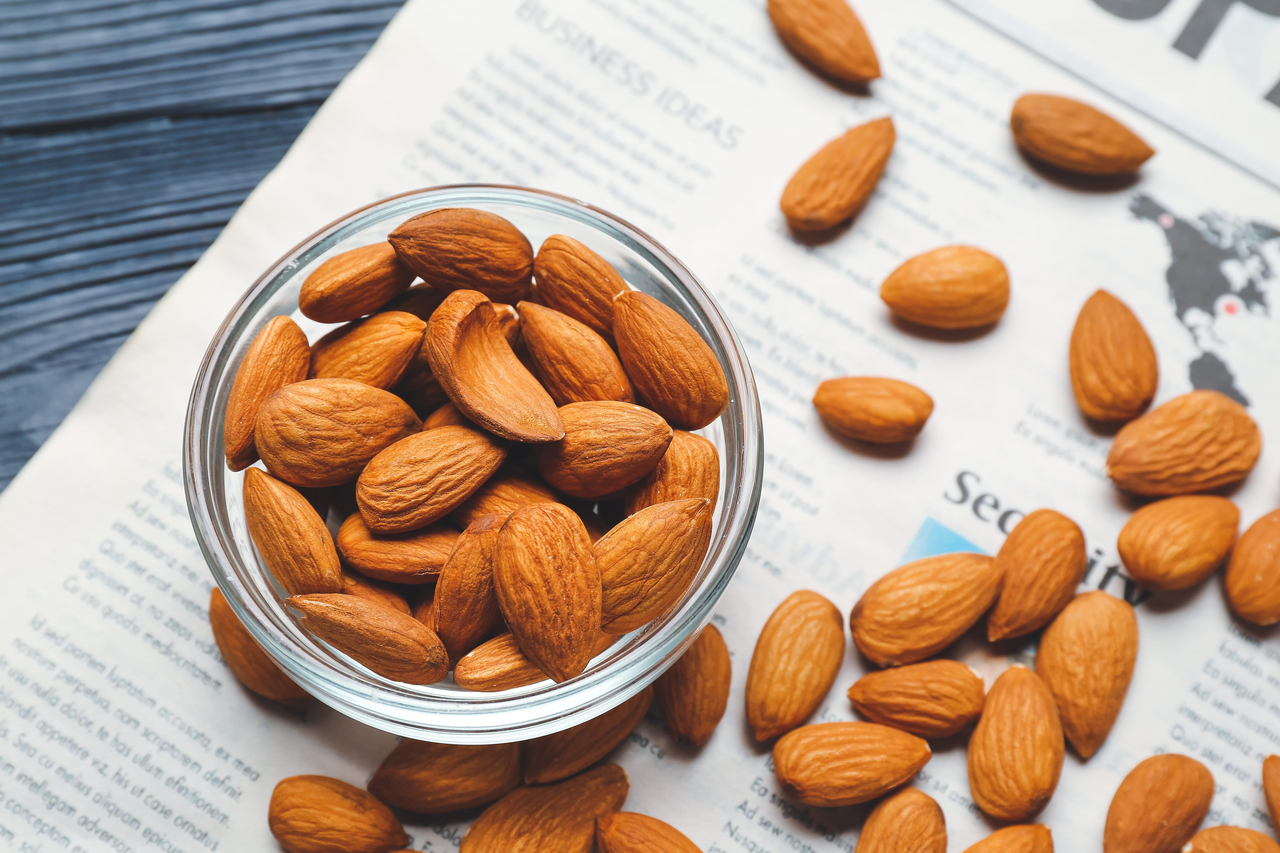
Among the nuts best known as diet-friendly snacks are almonds, which are especially popular in South Korea; pistachios, demand for which has surged on the back of the "Dubai chocolate" trend; and peanuts, which have recently drawn attention as an ingredient in diet-oriented peanut butter.
Based on the recommended daily serving of one handful — about 28 grams — almonds contain 166 calories, pistachios 163 calories and peanuts 158 calories. Even so, that small handful is effective at keeping hunger at bay.
Nutritionists say almonds, pistachios and peanuts are low in carbohydrates but excel in the combination of nutrients that promote fullness. They contain a well-balanced mix of protein, unsaturated fats and dietary fiber — nutrients that slow digestion, sustain energy levels and help curb appetite.
A single 28-gram handful of pistachios, for example, delivers 6 grams of protein, 11 grams of unsaturated fat and 3 grams of dietary fiber in a balanced profile.
These foods also help stabilize blood sugar and lower the risk of metabolic syndrome, ultimately putting the body in a state more conducive to weight loss.
A 2014 study published in PLoS ONE examined 803 adults and found that more frequent consumption of tree nuts such as almonds and pistachios was associated with lower risks of metabolic syndrome and obesity. The researchers said improved insulin resistance from nut consumption may have contributed to the reduced risk of metabolic syndrome, and that better blood sugar control could in turn be linked to reductions in body weight, abdominal obesity and metabolic syndrome.
Medical experts note that when blood sugar spikes sharply after a meal, the body releases large amounts of the hormone insulin. Insulin then lowers blood sugar while simultaneously directing excess glucose to be stored as fat. A rapid rise in blood sugar also tends to increase appetite.
Almonds have been the subject of the most weight-loss research among nuts. A 2011 paper in the journal Cell Metabolism had 65 overweight or obese participants eat 28 grams of almonds five days a week for three months and found improvements in body weight, body mass index, triglyceride levels and waist circumference compared with before the intervention.
Research also suggests that pairing peanuts with a high-fat meal can help prevent overweight and obesity. A 2017 paper in The Journal of Nutrition from Pennsylvania State University found that participants who drank a peanut shake after a high-fat meal had blood triglyceride levels 32 percent lower than those of a control group that consumed a different shake of equivalent calories.
gorgeous@heraldcorp.com