Anthocyanin content varies by storage method
Frozen blueberries top fresh, refrigerated and dried
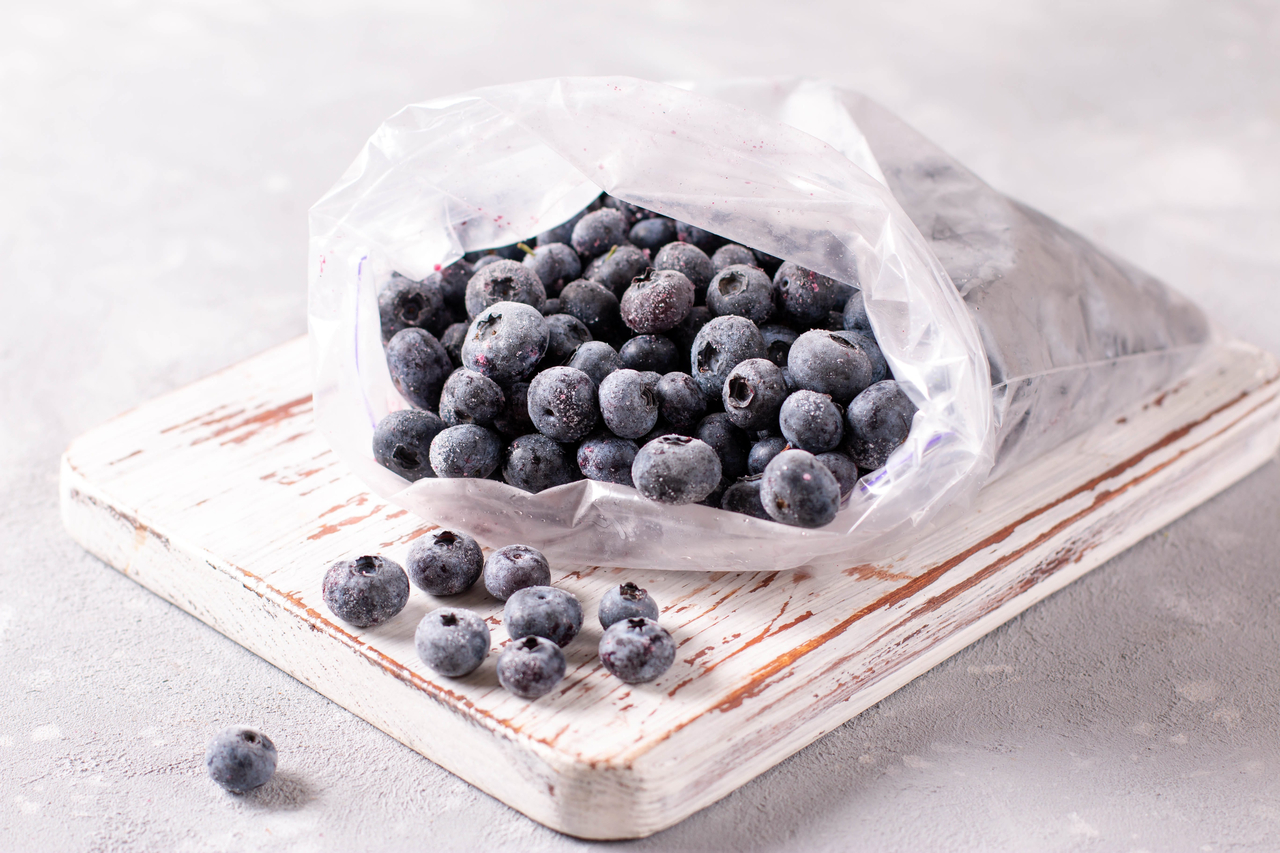
July is National Blueberry Month. The US Department of Agriculture designated the month in 1974 to mark the peak of the harvest season, when the fruit is at its most abundant and flavorful. If you have bought blueberries in season, nutrition experts say the freezer — not the refrigerator — is the better place to store them.
Freezing is the most effective way to boost absorption of anthocyanins, the signature nutrient in blueberries. Research from South Dakota State University published in 2014 found that anthocyanin concentrations increased in blueberries stored frozen for 133 days.
The researchers explained that moisture inside the fruit turns to ice crystals during freezing, rupturing the cell structure and releasing the anthocyanins trapped within. Most of the anthocyanins in blueberries are locked inside the skin or individual cells, and the firm cell walls in fresh fruit prevent them from escaping easily. Freezing tears open those cell pockets, allowing the compounds to flow out.
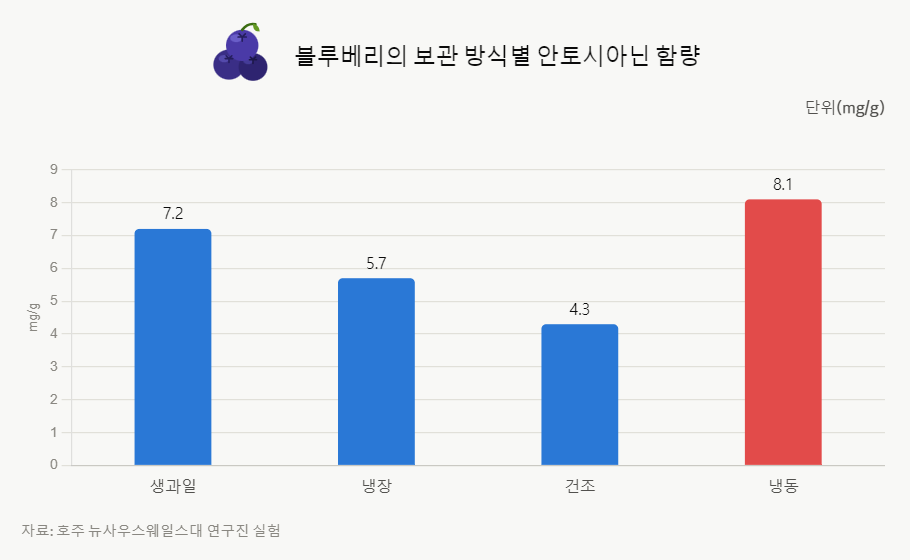
Experiments by researchers at the University of New South Wales in Australia produced similar results. Fresh blueberries contained 7.2 mg of anthocyanins. Refrigerated blueberries fell to 5.7 mg, and dried blueberries dropped further to 4.3 mg. Blueberries frozen for one month, however, measured 8.1 mg.
Anthocyanins are the antioxidants responsible for the deep purple color of blueberries and are widely recognized for their anticancer, anti-aging and anti-inflammatory properties. A research team at the University of Barcelona in Spain tracked about 120,000 adults over 10 years and found that those who consumed the most anthocyanin-rich fruits — including blueberries, blackberries and cherries — had colorectal and breast cancer rates up to 20 percent lower than those who ate the least. The findings were published in the international cancer journal Cancers in 2023.
According to USDA data, blueberries contain 386 mg of anthocyanins per 100 grams, compared with 21 mg in strawberries — roughly 18 times more.
The nutritional benefits of blueberries are more effective when consumed consistently in moderate daily amounts rather than in large occasional servings. The USDA and various clinical studies recommend eating 20 to 30 berries (70 to 100 grams) a day for at least three months to see results. For improvements in vascular health, blood pressure and blood sugar regulation, a daily intake of 150 to 200 grams (about 75 to 130 berries) is suggested.
To freeze blueberries at home, rinse them under running water, pat them dry with a paper towel, and store them in an airtight container in small portions. They will keep for about two to three months. Frozen blueberries thaw easily at room temperature, so no separate defrosting step is needed.
gorgeous@heraldcorp.com