Ficin, a protein-digesting enzyme, is more concentrated in unripe fruit
The enzyme aids protein digestion, making figs a natural pairing with meat and dairy
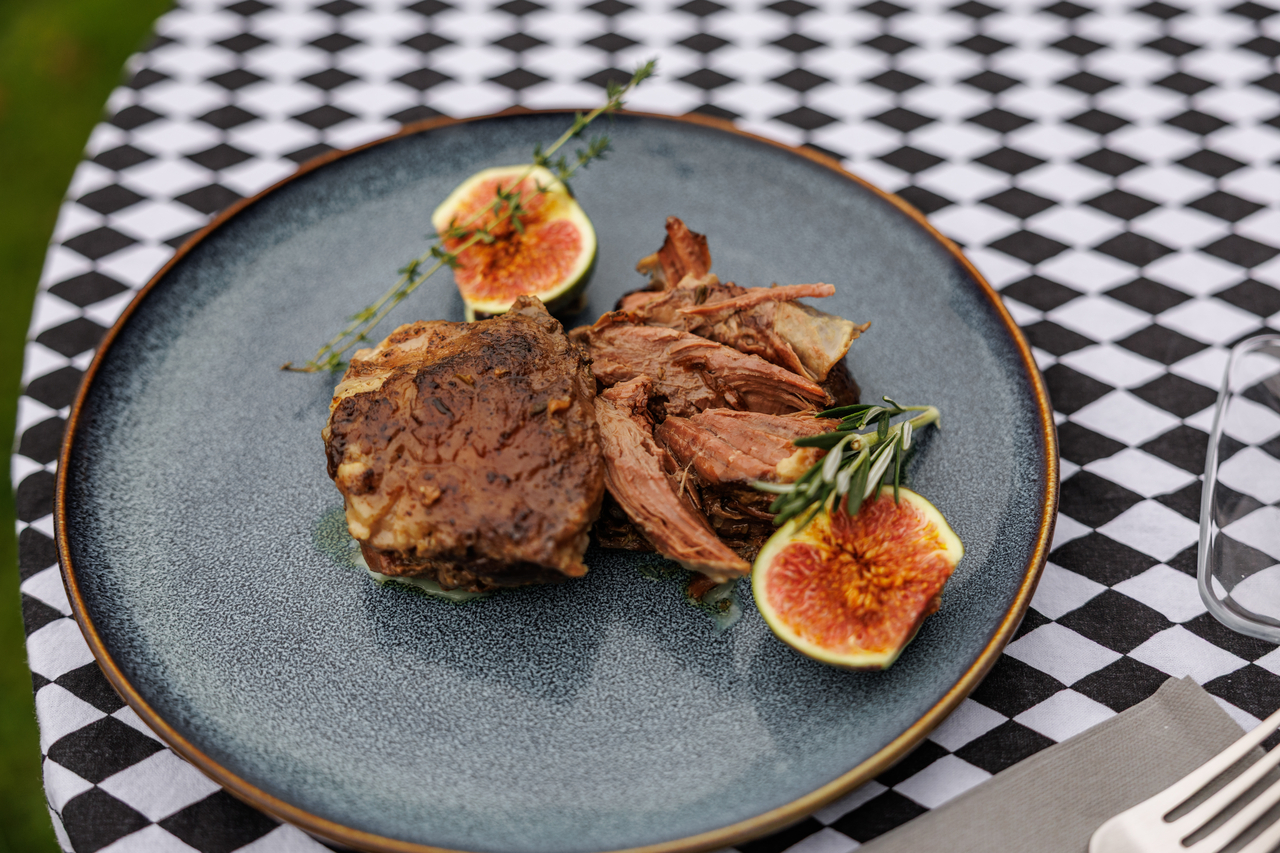
Figs are a quintessential autumn fruit, prized for their burst-in-the-mouth texture and gentle sweetness. However, they can sometimes leave the tongue with a prickling sensation — and the culprit is a compound called ficin, a protein-digesting enzyme.
According to the Ministry of Food and Drug Safety, the tingling or numbing feeling in the mouth is most common when eating unripe figs, because less-ripe flesh contains higher concentrations of ficin.
As a proteolytic enzyme, ficin helps break down proteins such as those found in meat. Figs are not alone in this: pineapple contains bromelain and kiwi contains actinidin, both protein-digesting enzymes. Pineapple and kiwi can also cause a tingling sensation in the tongue and mouth for the same reason.
To avoid the numbing effect, choose fully ripe figs. Look for fruit with an even, deep-red color and a plump, teardrop shape. A ripe fig will show a cross-shaped split at the base, though any that are excessively torn or burst should be avoided.
Because ficin aids in digesting meat proteins, figs pair well with steak. Slice the figs thinly, cook them briefly in a hot pan and serve alongside the meat.
Figs also work well as a meat sauce. To make a fig balsamic sauce, combine 4 tablespoons of mashed fig, 1 tablespoon of balsamic vinegar and 2 tablespoons of water in a pan and simmer over low heat, stirring until thickened. Finish with a pinch each of salt and pepper and serve over grilled meat.
Figs can also be enjoyed in a salad with grilled beef. For a fig and beef salad, season beef with salt and pepper, grill it and slice into bite-sized pieces. Arrange salad greens and quartered fresh figs on a plate, top with the beef and drizzle with a one-to-one mixture of olive oil and balsamic vinegar.
Figs require careful handling. The flesh is delicate and vulnerable to moisture — washing them in advance can leave surface water that causes them to soften quickly. Rinse figs just before eating.
When washing, take care to keep water from seeping into the split at the base. Hold the fig with the stem pointing upward and rinse lightly under running water. Keeping the base dry preserves the fruit's natural sweetness.
Moisture is equally important to manage during storage. Wrap each unwashed fig in a paper towel, place in an airtight container or resealable bag and refrigerate.
gorgeous@heraldcorp.com