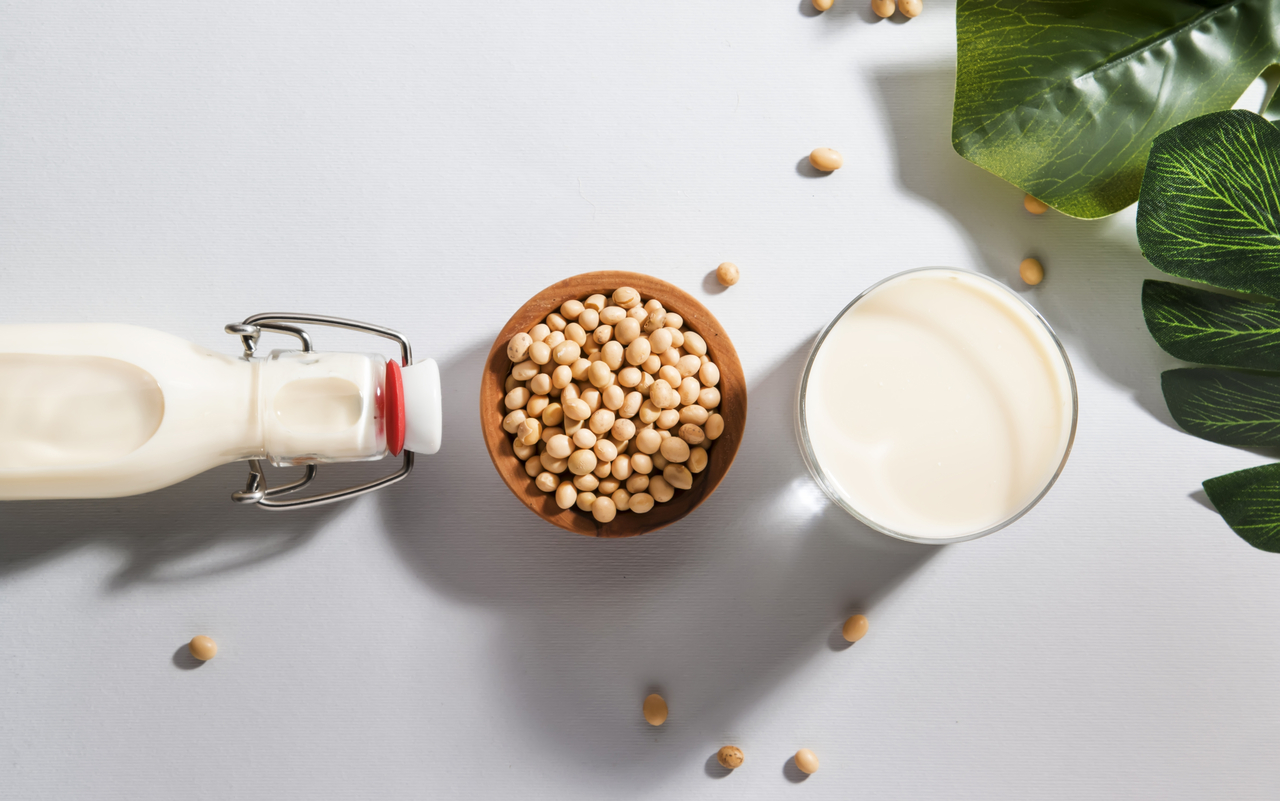
Research into the effects of soy and soy-derived compounds on body weight, body fat and metabolic health continues to grow. Studies involving adults in South Korea and abroad suggest that more frequent consumption of soy foods is associated with a lower risk of abdominal obesity. Animal experiments have also indicated that daidzein, a type of soy isoflavone, may help regulate appetite.
A study published in July by a research team at Hannam University in the Journal of Obesity & Metabolic Syndrome found that consumption of non-fermented soy foods was inversely associated with obesity in both men and women in South Korea.
Analyzing data from approximately 130,000 adults, the team found that higher intake of non-fermented soy foods was associated with lower rates of obesity — a trend particularly pronounced in postmenopausal women. Among those who consumed non-fermented soy foods seven or more times per week, the risk of abdominal obesity was 29 percent lower in men and 18 percent lower in women compared with non-consumers.
A study published in February by a research team at Ehime University in Japan in the journal Nutraceuticals found that daidzein, one of the main components of soy isoflavones, suppressed appetite by regulating urocortin, a gene involved in appetite control.
In the group that consumed daidzein, food intake, final body weight gain and body fat all decreased. The final body weight of the group that consumed daidzein for two weeks (198–216 grams) was approximately 15 to 18 percent lower than that of the control group (240–253 grams). Expression of urocortin, one of the appetite-regulating genes in the hypothalamus, also increased with daidzein intake.
"We confirmed the possibility that daidzein increases urocortin expression and may be involved in reducing food intake," the research team said.
A study published in December last year by a research team at Suzhou University in China in the journal Frontiers in Nutrition found that higher soy intake was associated with improvements in metabolic syndrome indicators, including abdominal obesity.
"The findings suggest that soy consumption may be linked not only to simple changes in body weight but also to overall metabolic health, including abdominal obesity, blood lipids and blood pressure," the research team said.
gorgeous@heraldcorp.com



Most Read Stories





REAL FOODSPREMIUM
MARKET TRENDS
November 23. 2026