Some nutrients found in higher concentrations than in mature vegetables
Easy to grow at home with just a paper towel
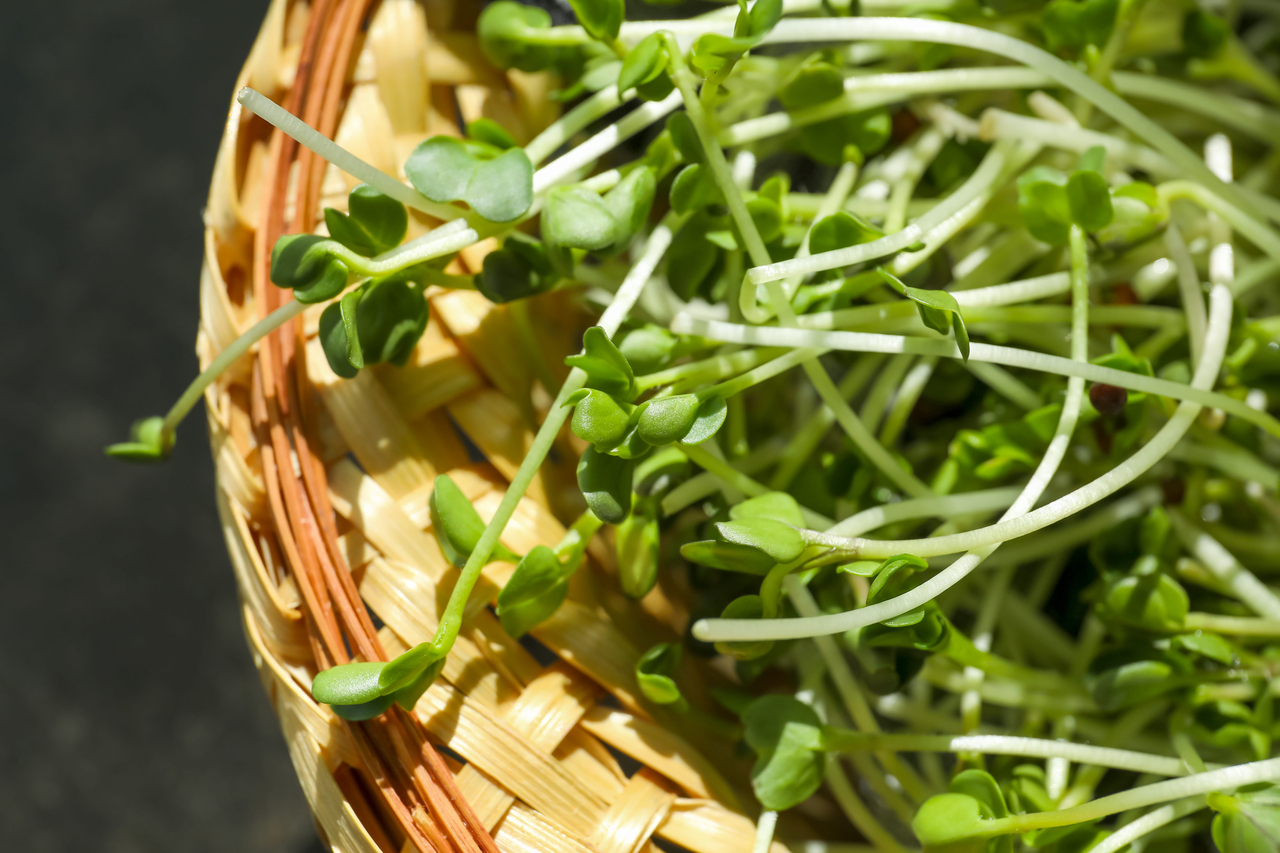
Microgreens are a smart choice for boosting nutritional density on days when vegetable intake falls short. Beyond salads, they add a satisfying crunch and fresh aroma to burgers, egg dishes and more.
Microgreens are young leafy vegetables harvested roughly one to two weeks after germination. They often contain higher concentrations of certain nutrients than their fully grown counterparts, making them a kind of natural nutrient capsule packed with goodness in a small serving.
Broccoli microgreens, for example, are particularly rich in glucoraphanin compared with mature broccoli. When chewed, glucoraphanin converts into sulforaphane, a compound that signals cells to activate their own defense systems against damage.
In the case of red cabbage, a 2012 study published in the Journal of Agricultural and Food Chemistry found that microgreens contained roughly six times more vitamin C and about 40 times more vitamin E than fully grown red cabbage.
The study was conducted by researchers at the University of Maryland and the USDA Agricultural Research Service. After analyzing 25 commercially available varieties of microgreens, the team concluded that microgreens generally had higher concentrations of vitamins C, E and K1, as well as carotenoids, than their mature counterparts.
However, this does not mean microgreens are universally more nutritious. Nutritional density varies depending on the plant species and variety, the timing of harvest, and how the greens are handled.
Because microgreens are typically used as a small accompaniment to a dish, individual servings tend to be modest. Even so, they are an efficient ingredient for supplementing nutrients in small amounts.
Microgreens can also be grown at home with nothing more than paper towels and seeds. Growing and harvesting plants firsthand can be a particularly rewarding activity to share with children.
According to the Rural Development Administration, the process starts by thoroughly moistening a paper towel with a spray bottle. Scatter seeds evenly without overlapping, then place the tray in a sunny spot. Within a week, the seedlings will have grown noticeably tall.
At harvest time, kitchen scissors work best, as the roots tend to cling to the paper towel and are difficult to pull free. Simply snip the stems just above the roots.
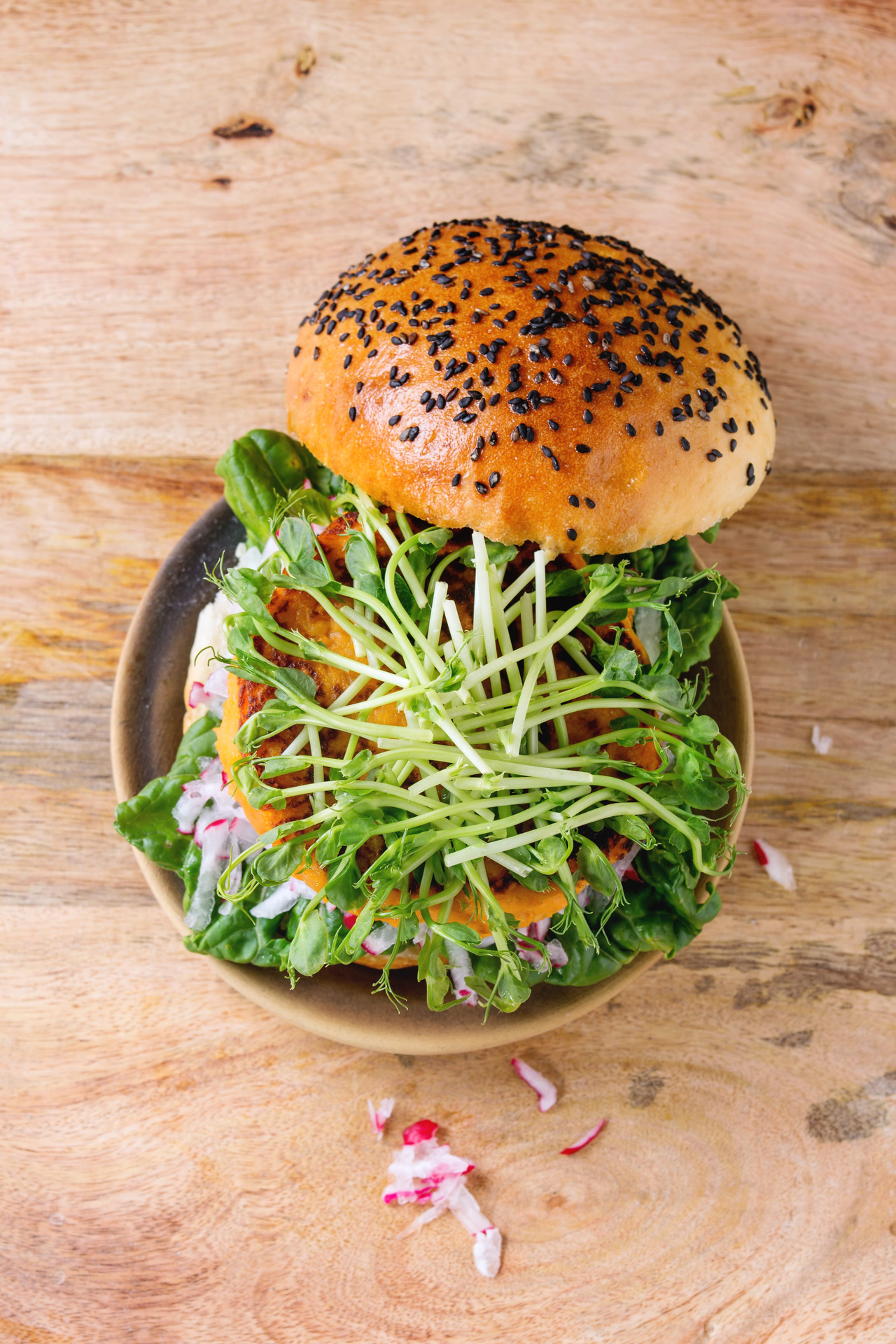
Microgreens are commonly used as a salad base or a topping for bibimbap, but they work equally well as a finishing garnish on sandwiches, egg and tofu dishes, noodles and porridge — a preparation that also helps preserve heat-sensitive vitamin C and their delicate aroma.
For microgreens high in carotenoids, pairing them with fat-containing foods such as olive oil, nuts or eggs aids absorption. Cilantro microgreens and red cabbage microgreens are prime examples.
They also make a great addition to burgers. To assemble one, spread strawberry jam on the cut sides of a halved bun. Layer on a slice of cheese and a fried egg, then gently place a leaf of lettuce on top. Pile on microgreens tossed in your sauce of choice, close the bun and serve.
gorgeous@heraldcorp.com