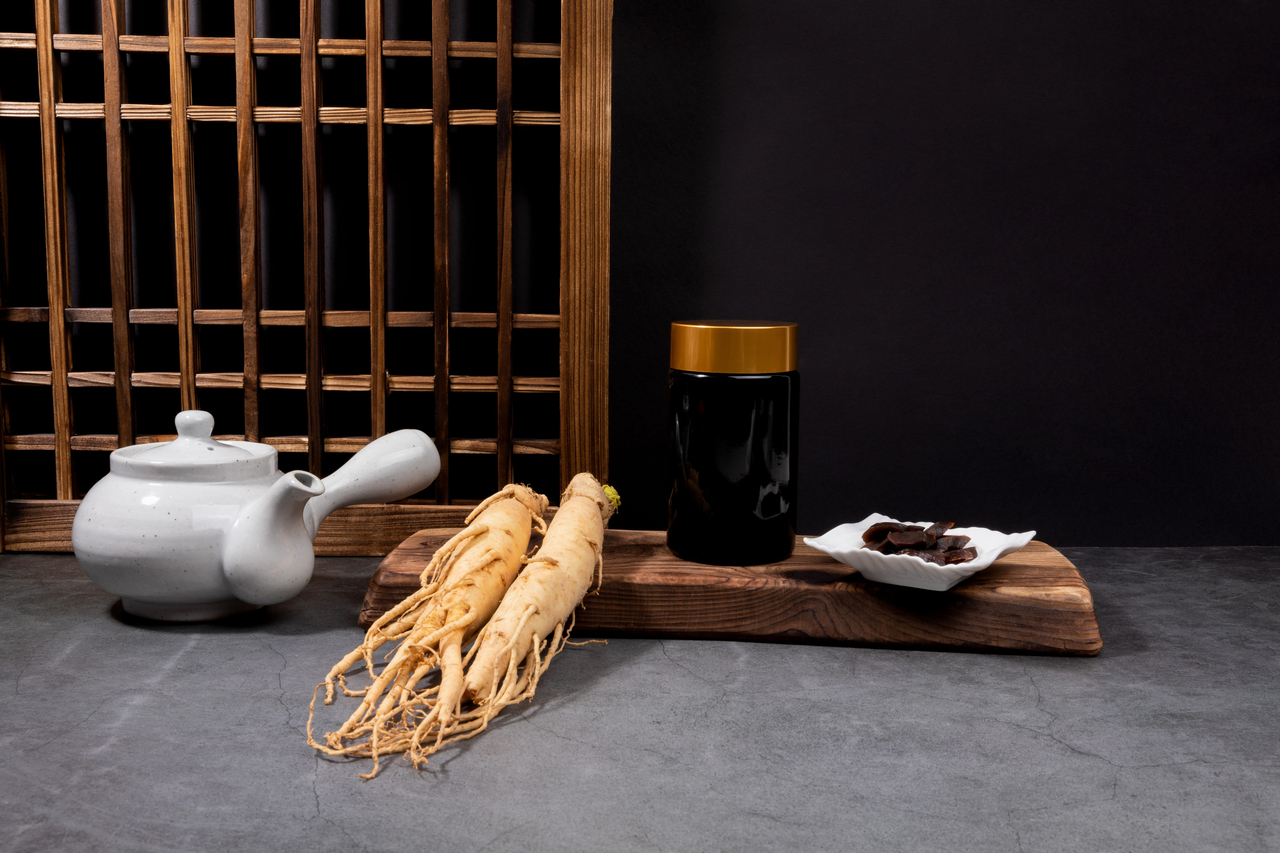
A survey on Korean red ginseng was conducted at Burjeel Hospital Abu Dhabi, a premium general hospital in the United Arab Emirates.
According to KATI, the agricultural food export information service of the Korea Agro-Fisheries & Food Trade Corporation, the survey targeted visitors to the hospital's Korean Pavilion — a dedicated space showcasing Korean medical services and trusted brands.
Tasting satisfaction with Korean red ginseng averaged 4.74 out of 5, a notably high score that dispelled longstanding concerns about a cultural or taste gap with Middle Eastern consumers.
Some 88.2 percent of all respondents said halal certification was necessary, confirming it as an essential requirement for market entry.
Prior awareness of Korean red ginseng was relatively solid, with 70.6 percent of respondents — 24 people — saying they had heard of it. However, only 35.3 percent said they were "well aware" of the product.
Among the channels through which respondents had learned about red ginseng — multiple answers allowed — promotional events ranked highest at 41.2 percent, followed by K-drama and K-pop at 23.5 percent, recommendations from acquaintances at 23.5 percent, and pharmacies or health food stores at 20.6 percent.
Immune system support was by far the top reason for purchasing, cited by 85.3 percent of respondents, followed by improved blood circulation at 47.1 percent and general health maintenance at 44.1 percent.
Liquid stick-type products were the most preferred format at 52.9 percent. The main reasons for hesitating to buy were price, cited by 58.8 percent, and limited retail availability, at 44.1 percent.
"Korean red ginseng already enjoys solid prior awareness, and the high tasting satisfaction shows the product is competitive enough," a Korea Agro-Fisheries & Food Trade Corporation official said. "However, converting consumers into actual buyers depends less on product quality and more on market conditions — price accessibility, retail convenience and certification status."
gorgeous@heraldcorp.com